Quick Answer
A heat pump is one system that both heats and cools by moving heat rather than burning fuel, pulling warmth indoors in winter and outdoors in summer. Arkansas's mild winters suit them well, with auxiliary or emergency heat for cold snaps and dual-fuel setups that pair a heat pump with a furnace.
In this article
- How a heat pump works (heating and cooling in one)
- Why heat pumps fit Arkansas winters
- Auxiliary and emergency heat explained
- Dual-fuel systems and our propane/electric mix
- Efficiency and comfort considerations
- What to expect during cold snaps
- Maintenance and lifespan notes
- Is a heat pump right for your home?
If you've been told a heat pump might be a good fit for your Glenwood home and weren't quite sure what that meant, here's the short version: a heat pump is a single system that both heats and cools, and our mild Arkansas winters happen to be close to ideal for one. Below, we'll walk through how they work, why they suit our climate, and the few things worth understanding before you buy or replace one.
How a heat pump works (heating and cooling in one)
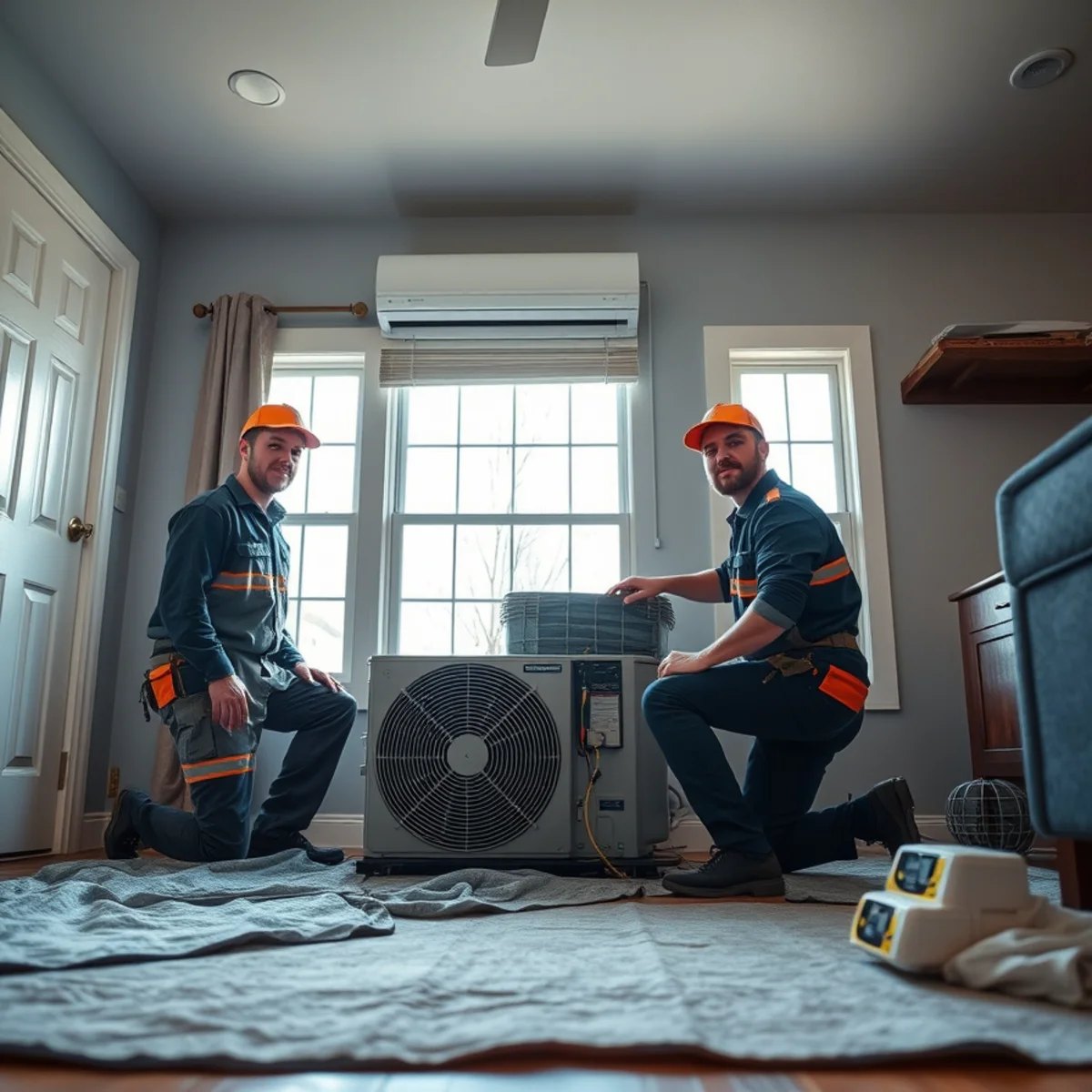
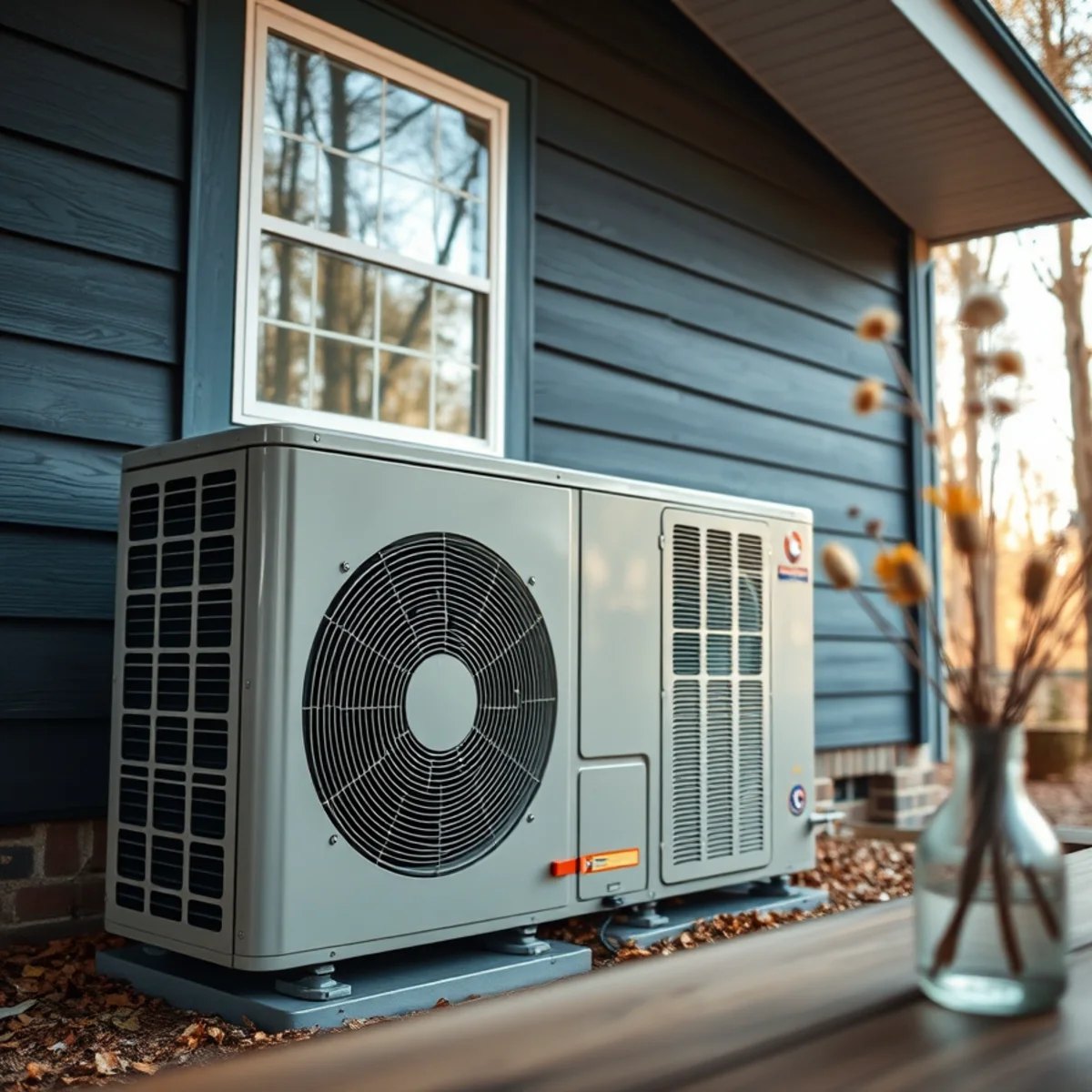
The thing that surprises most homeowners is that a heat pump doesn't make heat the way a furnace does. It moves heat from one place to another.
In summer, it works exactly like a regular air conditioner: it pulls heat out of the air inside your house and dumps it outdoors. In winter, it simply runs in reverse. Even on a cold day there's still heat energy in the outside air, and the heat pump pulls that warmth indoors. Same equipment, two jobs.
The takeaway: one outdoor unit and one indoor air handler replace both your AC and your separate heat source. That's part of what makes a heat pump appealing for a home that needs cooling most of the year and only modest heating.
A few quick points that help it click:
- It uses refrigerant and a compressor, like your AC, to carry heat in either direction.
- A reversing valve is what lets it flip between heating and cooling modes.
- Because it relocates heat instead of generating it, it usually uses less electricity for heating than old-fashioned electric strip heat or baseboards.
Why heat pumps fit Arkansas winters
Heat pumps work best in climates where winters are mild with only occasional hard cold, and that describes Glenwood and the rest of Pike County pretty well. Our winters bring lows that dip into the low 30s with the odd ice or snow event, but we don't sit at single digits for weeks the way the upper Midwest does.
That matters because a heat pump's efficiency tapers off as the outdoor temperature drops. In a place with long, brutal winters that's a real drawback. Here, the temperatures where a heat pump struggles are exactly the temperatures we only see a handful of nights each year, so the equipment spends most of the season in its comfortable, efficient range.
Add our long cooling season on top of that, and a heat pump earns its keep: it's running as your air conditioner through those humid low-90s summers anyway, so you're getting a lot of use out of one piece of equipment.
Curious if a heat pump fits your home? Call or text Brooks at (327) 210-5999 and we'll give you a straight answer. Killian's is open 24/7.
Auxiliary and emergency heat explained
This is the part of heat pumps that confuses people most, so it's worth slowing down on. Your thermostat probably has settings or indicator lights for auxiliary heat and emergency heat, and they are not the same thing.
Auxiliary heat (sometimes "aux" or "second stage") is backup heat that kicks in automatically when the heat pump alone can't keep up, usually on the coldest mornings. The heat pump keeps running and the backup just helps it catch up. This is normal and expected during a cold snap.
Emergency heat ("em heat") is a setting you turn on manually. It shuts the heat pump off entirely and runs only the backup heat. You'd use it if the outdoor unit is iced up, making strange noises, or otherwise not working, so you still have heat while you wait on a repair.
The backup heat itself is usually electric resistance strips inside the air handler, or in a dual-fuel system, a gas or propane furnace. Either way:
- Auxiliary heat coming on during very cold weather is normal. Don't panic when you see the light.
- Emergency heat uses noticeably more energy, so it's a short-term measure, not a setting to leave on all winter.
- If aux heat runs constantly in mild weather, something's wrong, and it's worth a call to our heat pump repair team before your power bill climbs.
Dual-fuel systems and our propane/electric mix
A lot of homes around Glenwood don't have natural gas service. Heating here often means electric or propane, and that's exactly where a dual-fuel (sometimes "hybrid") system shines.
A dual-fuel setup pairs a heat pump with a furnace. The heat pump does the heavy lifting for most of the season, when it's most efficient, and the furnace automatically takes over once the temperature drops below the point where the heat pump stops being the economical choice. The system makes that handoff on its own based on outdoor temperature.
For a propane household, this can mean burning a lot less propane over the winter, because the heat pump is carrying the mild days and only handing off during genuine cold. If you already have a furnace you're happy with, adding a heat pump to create a dual-fuel system is often a sensible upgrade. We handle both sides of that equation, from the heat pump installation to keeping the furnace tuned and ready for the cold-snap nights.
Efficiency and comfort considerations
Heat pumps tend to deliver a steady, even kind of heat. Instead of the blast-then-quiet cycle of a furnace, a heat pump generally runs longer, gentler cycles. Most people find that more comfortable once they get used to it, but there's one thing to know going in:
Heat pump air feels cooler than furnace air at the register. The supply air coming out of your vents in heating mode is warm, but it's not the near-110-degree blast a furnace puts out. It's perfectly capable of heating your home to a comfortable temperature, it just does it more gradually. Hold your hand to the vent expecting furnace heat and it can feel underwhelming even when the system is working exactly right.
On efficiency, the honest answer is that how much you save depends on your home, your old system, and how you heat now. A heat pump replacing electric strip heat or aging equipment can make a real difference on the heating side. Replacing an efficient gas furnace where gas is cheap is a different math problem. We'd rather walk you through your specific situation than quote a number that may not hold for your house.
What to expect during cold snaps
When one of our cold fronts pushes lows into the low 30s or below, here's what's normal heat pump behavior:
- Light frost on the outdoor coil, which the unit melts off automatically with a defrost cycle. During defrost you may see steam rising off the unit and hear a whoosh as it briefly switches modes. That's the system working, not failing.
- Auxiliary heat engaging to help the heat pump keep up. Expected.
- Slightly longer run times. The system works harder when it's colder out.
What's not normal is the outdoor unit becoming a solid block of ice, the system blowing cold air in heating mode, or it never reaching the set temperature. Those point to a real problem. We dug deeper into that in our piece on why a heat pump freezes up in winter, and when it happens on a cold night, that's exactly the kind of call our 24/7 emergency service is built for.
Maintenance and lifespan notes
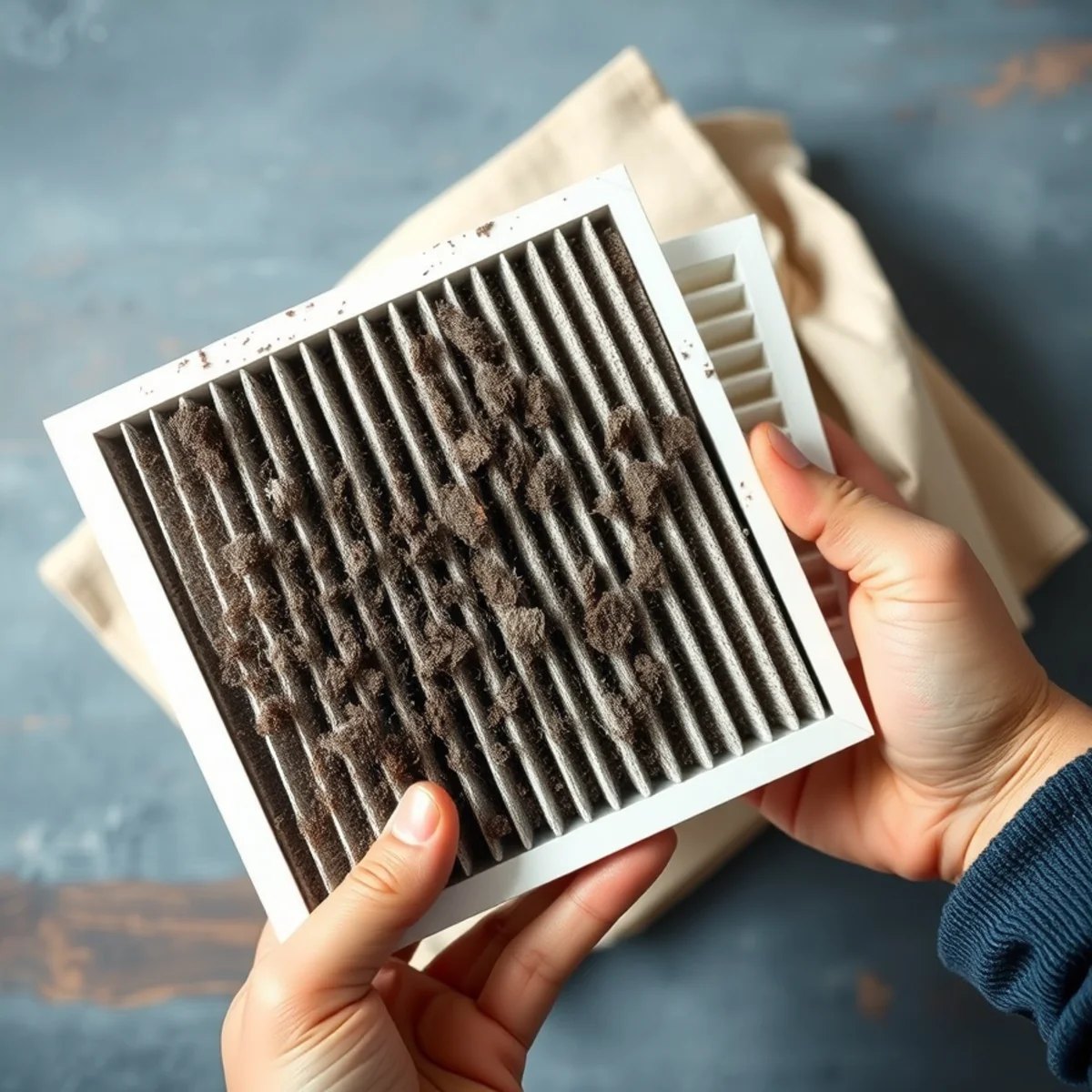
Because a heat pump runs year-round here, both as your heater and your air conditioner, it logs more hours than a system that only cools or only heats. That makes regular maintenance more important, not less.
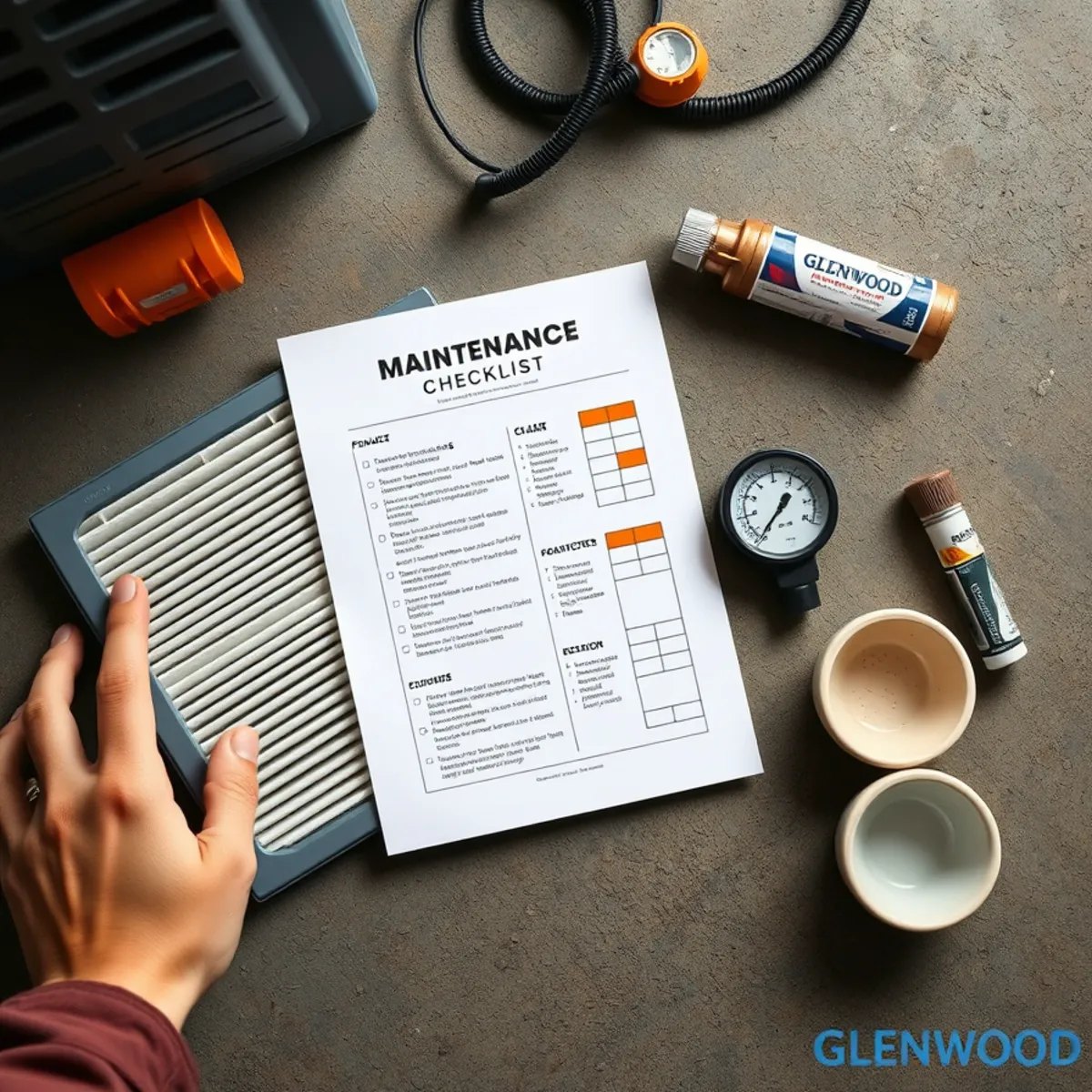
Twice-a-year service is the standard: a check before cooling season and another before heating season. A technician will inspect refrigerant levels, clean coils, test the reversing valve and defrost controls, and make sure the backup heat is working before you actually need it on a 28-degree morning.
Treated well, a heat pump generally lasts in the same rough range as other central systems, though our heavy cooling load and damp climate can be hard on outdoor equipment. Keeping it clean and serviced is the single best way to reach the upper end of that range rather than the lower. Homeowners across Glenwood and the surrounding area who stay on a maintenance schedule tend to get more years and fewer surprise breakdowns out of their equipment.
Is a heat pump right for your home?
For a lot of homes around here, a heat pump is a genuinely good fit, but it isn't automatic. It tends to make the most sense if you:
- Currently heat with electric strip heat or aging, inefficient equipment.
- Want one system that handles both heating and cooling.
- Don't have natural gas service and are looking to cut propane use (a dual-fuel setup is worth a look).
- Value steady, even comfort over a blast-furnace feel.
A furnace-and-AC combo or a dual-fuel system can be the better call for other homes, especially if you already have heating you're satisfied with. If you're weighing a heat pump against another approach, our breakdown of central air versus ductless mini-splits covers a related option worth knowing about, since mini-splits are themselves heat pumps.
The right answer comes down to your home, your current setup, and how you like to feel comfortable. There's no one-size-fits-all here, and we won't pretend there is.
Thinking about a heat pump, a dual-fuel upgrade, or just want an honest opinion on what your home needs? Call or text Brooks Killian and his team at (327) 210-5999. We're a family-owned shop right here in Glenwood, we're Open 24 Hours with 24/7 emergency service, and we'll give you a straight, no-pressure recommendation. Request Service anytime, day or night. (License #0852404)
By the Killian's Heat & Air team
Reviewed by owner Brooks Killian, who has serviced and installed central heating and air across Glenwood and Pike County for 32+ years (Licensed AR HVAC #0852404). Meet the team.