Quick Answer
A homeowner HVAC checklist covers monthly tasks like checking the filter, clearing the outdoor unit, keeping vents open, and watching the condensate drain, plus seasonal prep. Leave refrigerant, electrical, and combustion work to a technician, and schedule professional service twice a year, in spring for cooling and fall for heating.
In this article
A little upkeep goes a long way down here. Between our humid, low-90s summers, the long tree-pollen stretch from mid-February into May, and crawlspace ductwork sitting under older frame homes, a Glenwood HVAC system works harder than most. This checklist breaks the year into simple, seasonal steps — what you can safely handle yourself, and what's worth leaving to a technician — so your system keeps up when you need it most.
Print it, save it, or just work through it season by season. None of it takes long, and the payoff is a system that runs efficiently, lasts longer, and is far less likely to quit on a 95-degree afternoon or during a January cold snap.
How to use this checklist
Think of HVAC maintenance in two buckets: homeowner tasks and pro tasks. The homeowner side is all about airflow and cleanliness — things you can do safely with no tools and no risk. The pro side covers refrigerant, electrical, and combustion components that need a trained eye and the right equipment.
We've organized everything by season because the Glenwood climate gives your system two very different jobs. Cooling carries the heaviest load — long, humid runs that pull a lot of moisture out of the air — so spring and summer prep matters most. Heating mostly idles through our mild winter, then gets asked to run hard during a sudden cold snap, so fall prep is about making sure it's ready when the temperature drops into the low 30s.
Key takeaway: Do the small monthly stuff yourself, and let a technician handle the seasonal deep checks. That split keeps your system healthy without putting you anywhere near a live electrical panel or a sealed refrigerant line.
Monthly homeowner tasks
These are the habits that prevent the most common (and most avoidable) breakdowns. Once a month, walk through this short list:
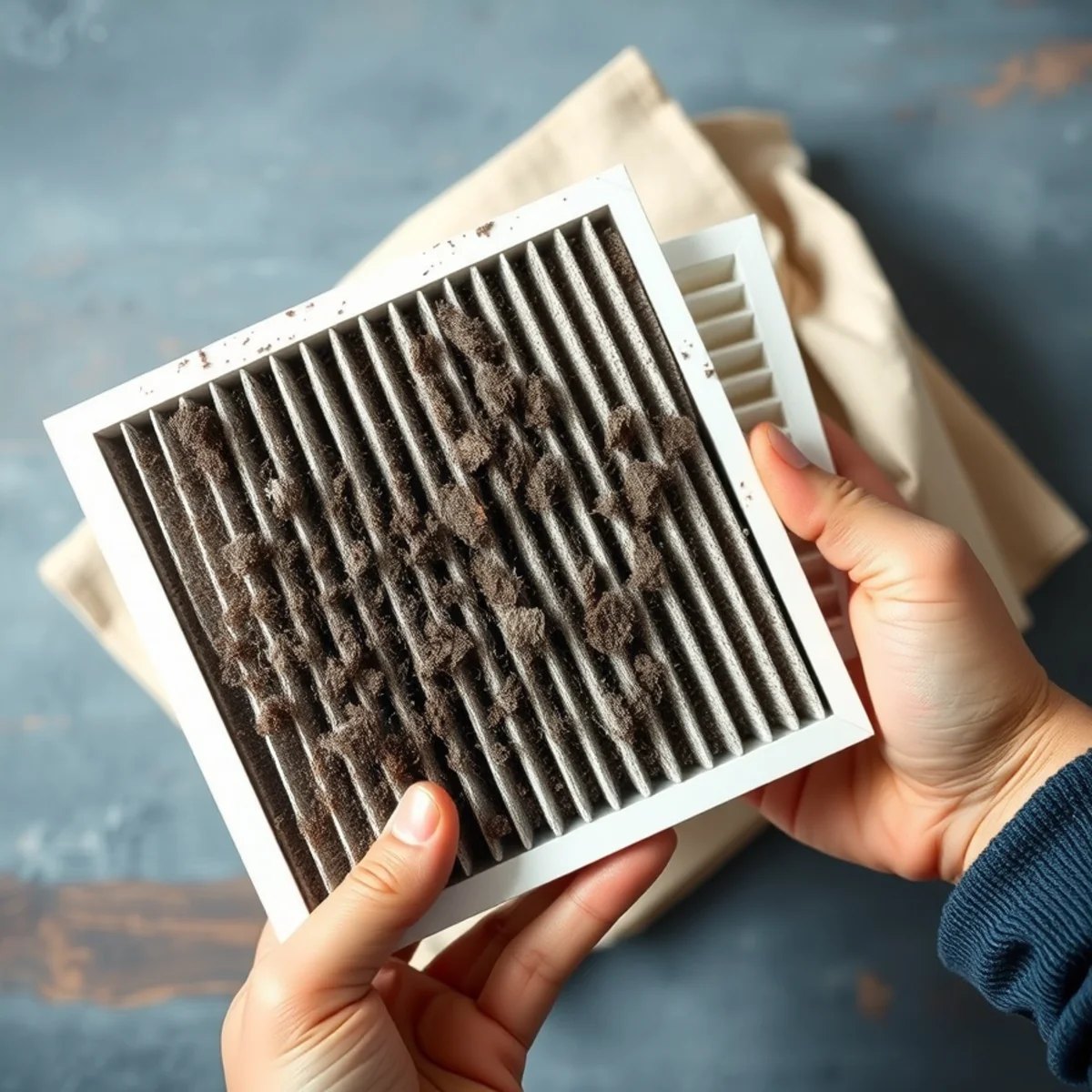
- Check the air filter. Hold it up to the light. If you can't see through it, replace it. During pollen season and peak cooling, filters here load up fast — often faster than the box suggests.
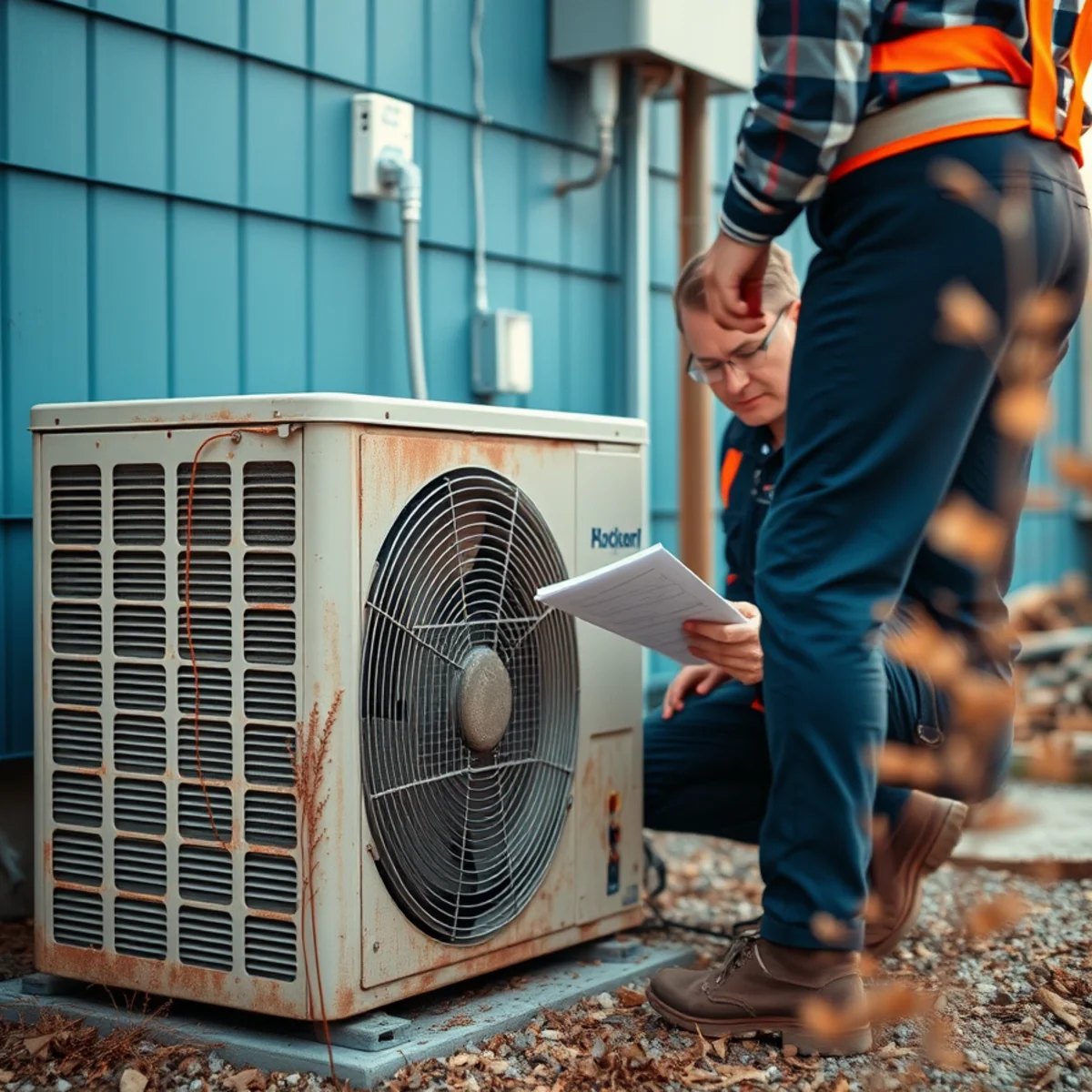
- Glance at the outdoor unit. Clear away grass clippings, leaves, and any debris that's blown up against it. Keep at least a foot or two of clearance on all sides.
- Make sure vents and returns are open. Furniture, rugs, and closed doors choke airflow and make the system work harder.
- Listen and look. A new rattle, hum, or buzz is your system telling you something. So is ice on a line or water pooling near the indoor unit.
- Watch the condensate drain. In our humidity the AC pulls a lot of moisture out of the air, and that water has to go somewhere. A slow or clogged drain can trip a safety switch and shut the system down.
Staying on top of the filter alone prevents a surprising number of no-cool calls. A clean filter is the cheapest insurance you can buy for your equipment.
Want us to handle the pro tasks? Get on our schedule. Call or text Brooks at (327) 210-5999 — Killian's is open 24/7, and we'll keep your system on a maintenance rhythm so nothing slips through the cracks.
Spring checklist (before cooling season)
Spring is the most important window of the year. Tackle this before the first stretch of 90-degree days so any problems surface on a mild afternoon instead of during a heat wave.
- Replace the filter with a fresh one — don't start cooling season on a winter-worn filter.
- Clear the outdoor condenser. Pull weeds, trim back shrubs, and gently rinse off pollen and dust that built up over the winter. Cut the power at the disconnect first, and use a garden hose on low pressure, never a pressure washer.
- Test the thermostat. Switch it to cool and confirm the system kicks on and actually blows cold air.
- Check the condensate drain line by pouring a cup of water through it to confirm it flows freely.
- Run the AC briefly on a mild day so you have time to call before peak season if something's off.
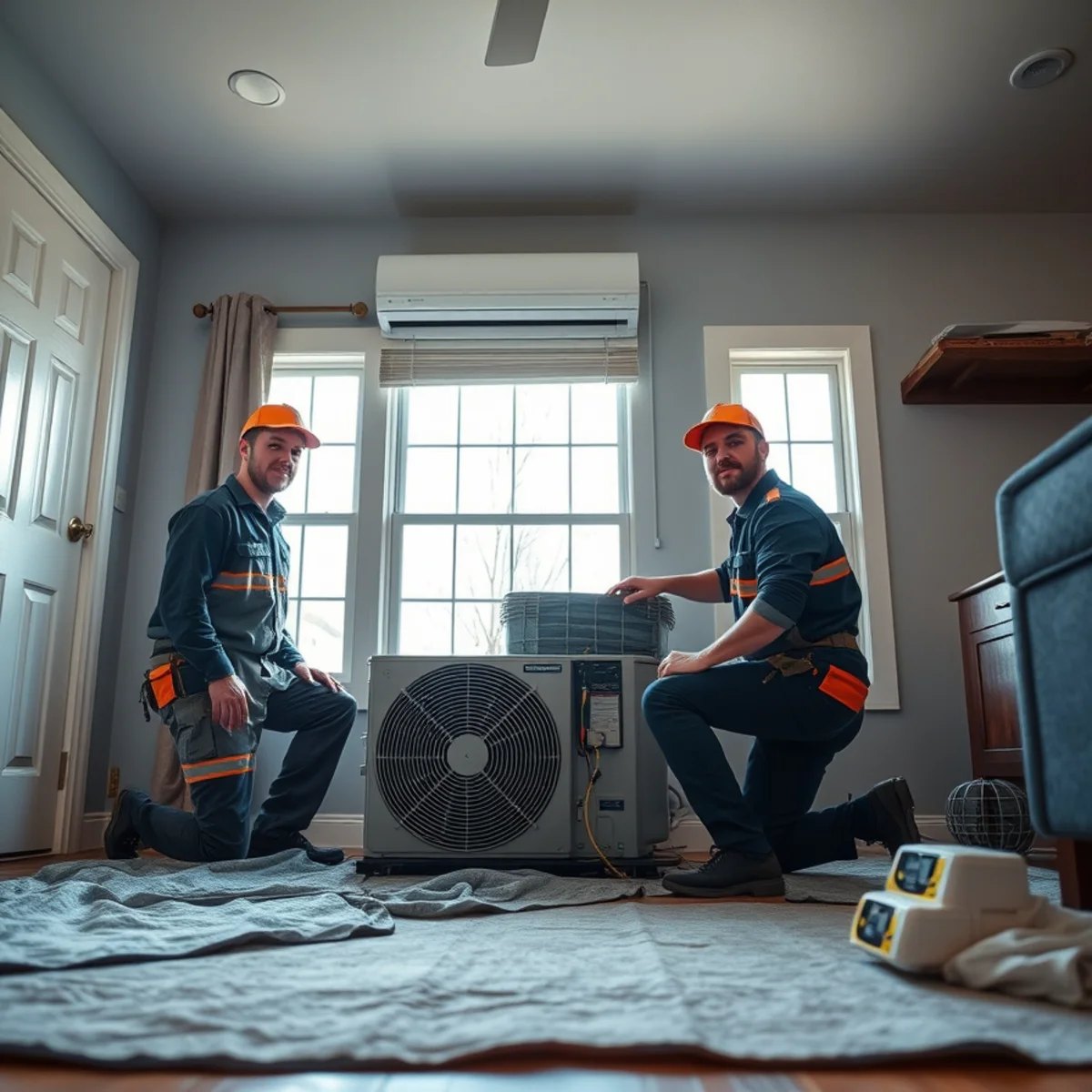
This is also the ideal time for a professional spring tune-up. Scheduling seasonal HVAC maintenance before summer means a tech catches a weak capacitor or low refrigerant while it's a quick fix — not a hot-afternoon emergency.
Summer checklist (during peak heat)
Once the heat and humidity settle in, your system runs long and hard. Your job in summer is mostly to keep it breathing:
- Check filters more often. Heavy use plus lingering pollen means filters clog faster in summer than any other season. Inspect monthly, replace as needed.
- Keep the outdoor unit clear of mowing debris and weeds, and make sure nothing's leaning against it.
- Watch for sticky or humid air indoors. If your home feels cool but clammy, the system may not be pulling enough moisture out — worth flagging to a tech.
- Keep an eye on the drain. Condensate volume peaks in our humid summers, so a marginal drain is most likely to back up now.
- Don't crank the thermostat way down. Setting it to 65 doesn't cool faster; it just runs the system longer and harder.
If your AC starts struggling on the hottest days — short cycling, blowing warm, or icing up — don't keep forcing it. Shut it off and call. A failing system pushed through a heat wave usually fails worse.
Fall checklist (before heating season)
When the cooling load eases, shift your attention to heating. Our furnaces and heat pumps sit mostly idle through the mild stretches, then get asked to run hard overnight when a cold snap rolls through, so fall prep is about confidence.
- Replace the filter again heading into the heating months.
- Test the heat on the first cool morning. A brief dusty smell on the first run is normal; a persistent burning, electrical, or gas-like smell is not — shut it down and call.
- Clear the outdoor unit of fallen leaves if you have a heat pump.
- Check your vents and returns are still open and unblocked after summer.
- Confirm your thermostat batteries are fresh if it uses them.
Fall is the other prime window for a professional visit. A heating tune-up checks the heat exchanger, burners, ignition, and safety controls before that first hard freeze — exactly the parts you can't safely inspect yourself.
Winter checklist (during cold snaps)
Glenwood winters are mostly mild, but the occasional ice or snow event and dips into the low 30s put real demand on heating equipment. During cold weather:
- Keep filters fresh — heating strains airflow just like cooling does.
- For heat pumps, expect some frost. A thin layer in cold, damp weather is normal, and the defrost cycle melts it. A solid block of ice covering the coil is not normal — switch to backup heat and call.
- Don't block vents trying to push heat to one room; it throws off the whole system.
- Keep the outdoor unit clear of snow, ice, and leaves.
- Watch for short cycling or weak heat, which can signal a part starting to fail under load.
If you lose heat overnight in a cold snap, you don't have to wait. We answer 24/7 across Glenwood and the surrounding Pike County area.
What to leave to a technician
Some maintenance is genuinely off-limits for homeowners — not because it's complicated, but because it involves refrigerant, high-voltage electrical, or combustion. Leave these to a pro:
- Refrigerant levels and leak checks — it's a sealed system, and topping it off without finding the leak just wastes money and can damage the compressor.
- Electrical components — capacitors, contactors, wiring, and control boards.
- The heat exchanger and burners on a furnace, where a crack is a safety issue.
- Coil cleaning beyond a gentle outdoor rinse, especially the indoor evaporator coil.
- Blower motor, bearings, and amp draws that need meters to read.
A good tune-up also ties into indoor air quality, since clean coils, sealed ducts, and proper humidity control all affect the air you breathe — a real concern in our pollen-heavy, humid climate.
When to schedule professional service
The simple rule: twice a year. A cooling check in spring and a heating check in fall keeps both sides of your system covered. Heat pumps, which run year-round here, benefit most from both visits.
Beyond the calendar, schedule sooner if you notice rising bills with no change in use, weak or uneven comfort, new noises, short cycling, or ice where there shouldn't be. Those are the early signs that catching a problem now beats paying for a breakdown later.
Have questions about what your system needs, or want to get on a regular maintenance rhythm? Reach out anytime — we're happy to help you sort out what's a DIY task and what's worth a visit.
Killian's Heat & Air has served Glenwood and the Caddo River / Lake Greeson area for over 32 years, owned and operated by Brooks Killian and his team (Arkansas License #0852404). We're Open 24 Hours with 24/7 emergency service. Call or text (327) 210-5999, or Request Service and we'll take it from there.
By the Killian's Heat & Air team
Reviewed by owner Brooks Killian, who has serviced and installed central heating and air across Glenwood and Pike County for 32+ years (Licensed AR HVAC #0852404). Meet the team.