Quick Answer
A light, even coating of frost on a heat pump is normal and the defrost cycle melts it away. A solid, persistent block of ice covering the coil or fan is not normal, usually pointing to a failed defrost cycle, low refrigerant, restricted airflow, a stuck fan, or poor drainage that needs a technician.
In this article
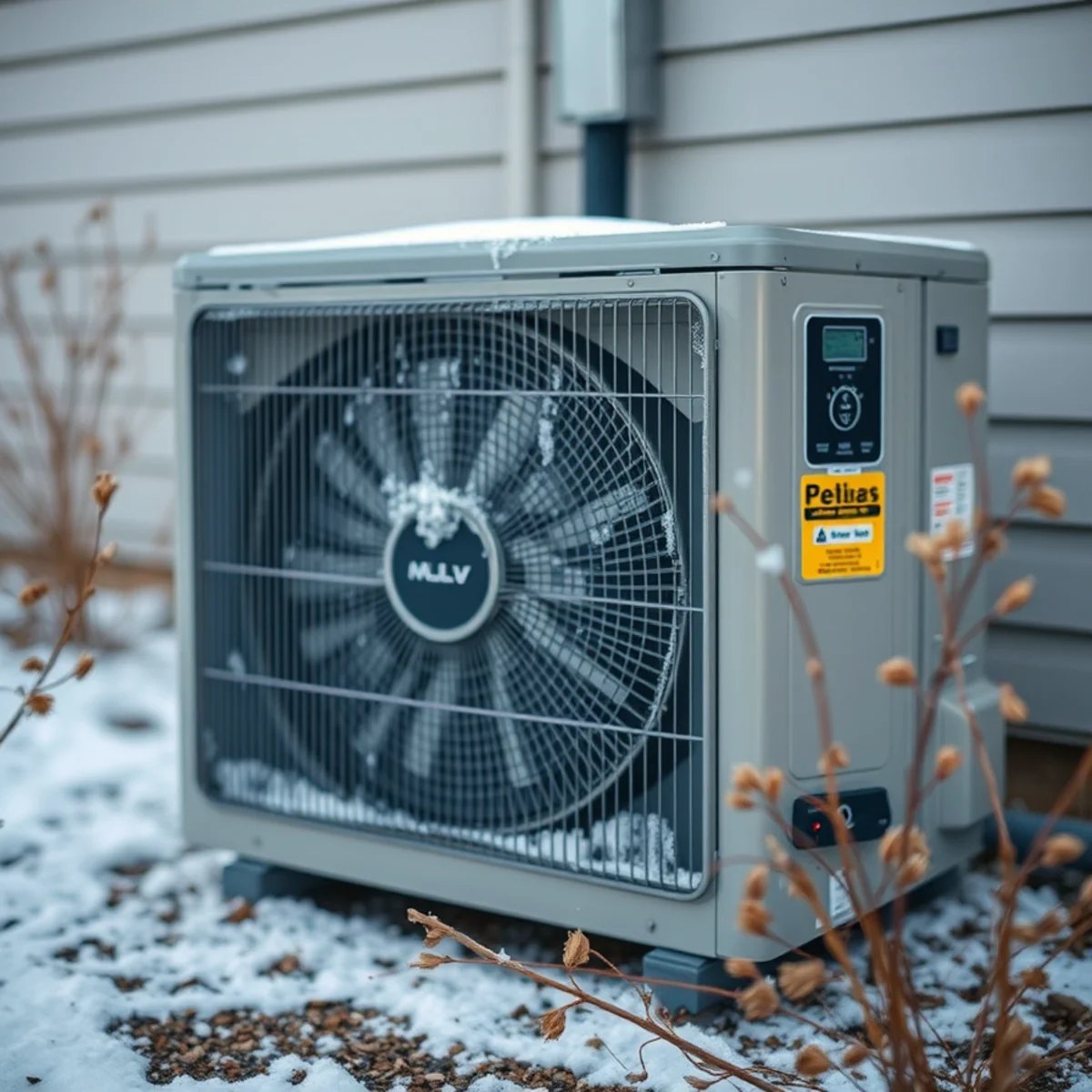
If you walked out on a frosty Glenwood morning and found your heat pump wearing a coat of white, take a breath — that may be completely normal. Heat pumps are supposed to frost over a little in cold, damp weather, and they're built to thaw themselves out. The trouble starts when a thin layer of frost turns into a solid block of ice that covers the coil and fan and won't go away. That kind of freeze-up usually points to a real problem, and around here our wet winters give it plenty of fuel.
Here's the short version: a light, even coating of frost that comes and goes is normal. A thick, persistent block of ice is not. Below we'll walk through why heat pumps frost up, how the defrost cycle is meant to handle it, and the warning signs that tell you it's time to call for heat pump repair in Glenwood.
A little frost is normal — here's why
In winter, your heat pump is pulling heat out of the outdoor air and moving it inside. That sounds backward, but there's heat energy in cold air, and the outdoor coil's job is to absorb it. To do that, the coil runs colder than the air around it.
When that cold coil meets the humid, near-freezing air of an Arkansas winter morning — and we get plenty of damp, foggy mornings near the Caddo River — moisture in the air condenses on the coil and freezes. A little frost forms. This is just physics, not a malfunction.
You'll most likely see normal frost when:
- Temperatures are in the low 30s to low 40s
- The air is damp, foggy, or it's been raining or sleeting
- The unit has been running hard to keep up overnight
A thin, even layer of frost on the coil that the unit melts off on its own every so often is exactly what a healthy heat pump does. The key word is melts off on its own — and that's where the defrost cycle comes in.
How the defrost cycle is supposed to work
Your heat pump has a built-in defrost cycle, and it's smarter than most people realize. A sensor watches the outdoor coil. When frost builds up enough to start blocking airflow, the system briefly reverses itself — it flips into cooling mode for a few minutes so warm refrigerant runs through the outdoor coil and melts the frost away. The outdoor fan usually shuts off during this, and your indoor backup (auxiliary) heat may kick on so the house doesn't get a cold blast.
A few things that look alarming during defrost but are totally normal:
- Steam rising off the outdoor unit — that's frost melting, not smoke
- A "whoosh" or change in sound as the system reverses
- A puddle of water under the unit after the ice melts
- The cycle running for a few minutes, then returning to normal heating
A properly working heat pump defrosts itself, drains the meltwater away, and goes back to warming your home — all without you doing a thing. When that automatic process breaks down, the frost keeps building until you've got a genuine freeze-up.
Iced over and re-freezing? Call or text Brooks at (327) 210-5999 — Killian's is open 24/7. If frost keeps coming back faster than the unit can melt it, something's wrong and it's worth a quick look before the cold snap hits.
When ice is a real problem
So how do you tell normal frost from a problem? Look at how much, how thick, and how long.
These are signs of a true freeze-up that needs a tech:
- Solid ice encasing the whole coil, not just light frost
- The fan blades or fan grille caked in ice so the fan can't spin freely
- Ice that never melts even when temperatures climb above freezing during the day
- The bottom of the unit frozen into a solid block that keeps growing
- Weak or cold air from your vents because the iced-up coil can't absorb heat
When ice locks up the coil, the heat pump can't pull heat from the outside air anymore. Your home stops warming up, the system runs and runs trying to catch up, and the compressor takes a beating. Left alone, a freeze-up can bend the fan, crack the coil, or burn out the compressor — turning a small repair into a big one. A unit that ices over once after a hard, wet freeze and then recovers is usually fine. A unit that ices over and stays that way needs attention.
Low refrigerant and freeze-ups
One of the most common causes of a heat pump that keeps icing up is low refrigerant, usually from a slow leak. Refrigerant is what carries heat through the system, and when the charge drops, the pressures fall and the coil runs colder than it should. A too-cold coil grabs moisture and freezes faster than the defrost cycle can keep up.
Here's the important part: refrigerant is a sealed system. If it's low, you don't just "top it off" — there's a leak somewhere that needs to be found and fixed. Adding refrigerant without repairing the leak wastes money and can damage the compressor. It's also regulated work that calls for a licensed tech. If your unit ices up, struggles to heat, and you've ruled out a dirty filter, low refrigerant is a prime suspect worth checking.
Airflow, dirty coils, and stuck fans
A heat pump needs good airflow across the coil to work and to defrost properly. Anything that chokes that airflow can cause ice to build:
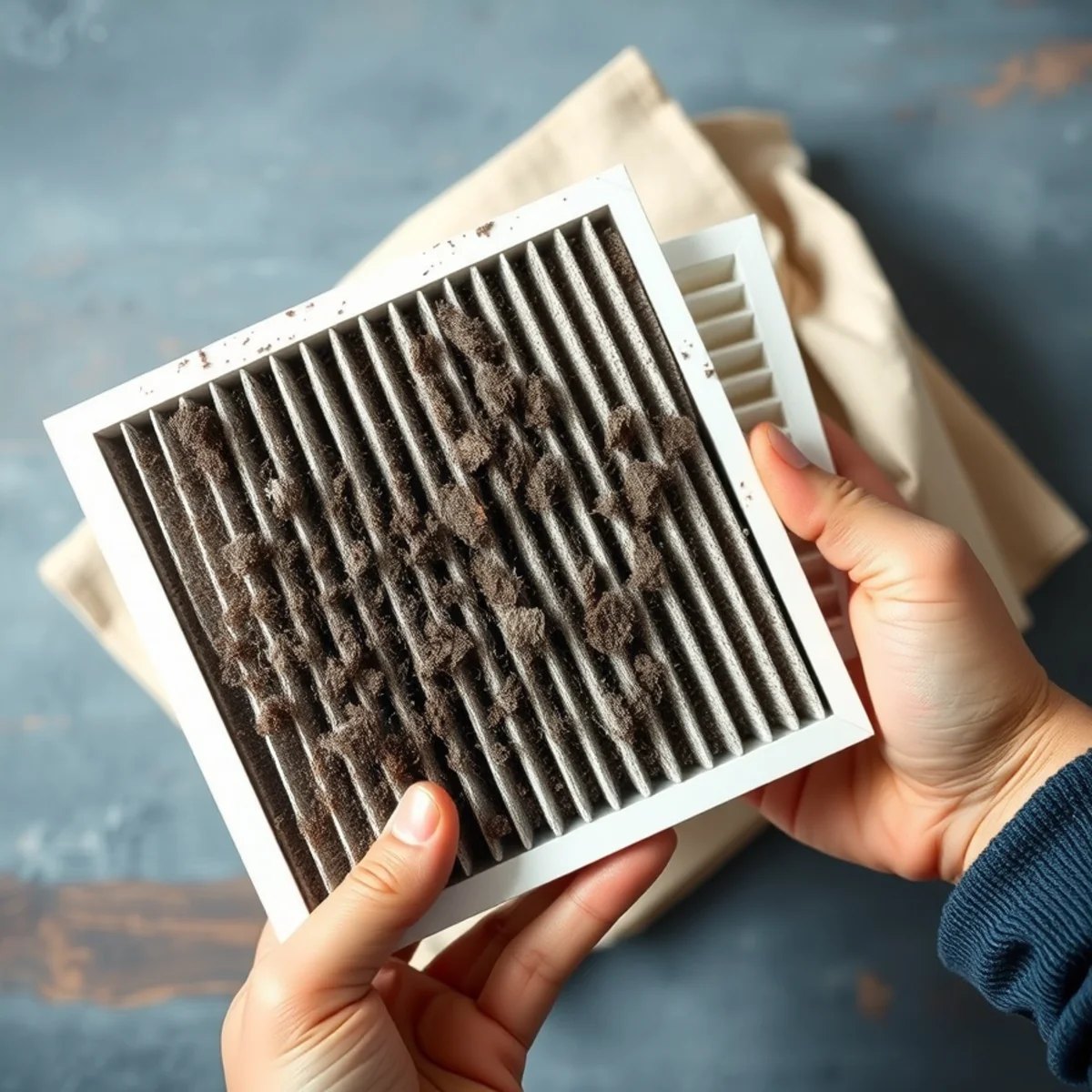
- A clogged indoor air filter restricts the whole system and can drop coil temperatures
- A dirty outdoor coil — packed with leaves, grass clippings, or cottonwood fuzz — insulates the fins and traps cold
- Leaves, mulch, or snow piled against the unit block the airflow it depends on
- A stuck or failed outdoor fan motor means the defrost heat can't move, so frost just keeps stacking up
- A bad defrost sensor or control board stops the cycle from triggering at all
Some of this you can manage yourself. Keep the area around the outdoor unit clear by a couple of feet, gently brush off heavy snow or leaves, and stay current on filter changes — a fresh filter is the single easiest thing a homeowner can do. Staying on top of basic upkeep with seasonal HVAC maintenance catches a tired fan motor or weak defrost control before it leaves you in the cold. But a fan motor or control board failure is a job for a tech.
Drainage and our wet Arkansas winters
This is where Glenwood and the rest of Pike County get their own twist. We're a very wet area — around 58 inches of rain a year — and our winters are mild but punctuated by damp cold snaps with fog, freezing rain, and the occasional ice or snow. All that moisture means there's a lot more water in the air for a coil to freeze, and a lot more meltwater that has to drain away after every defrost cycle.
When defrost meltwater can't drain — because the unit settled and sits in a low spot, the pad heaved, or the base drain is blocked — that water pools at the bottom of the unit and re-freezes. The next defrost adds more, and you end up with that growing block of ice locked around the base and fan. Older lumber-mill-era homes with units sitting close to damp ground or crawlspaces are especially prone to this. Making sure the unit sits level, slightly elevated, and draining freely is a real part of keeping a heat pump from freezing in our climate.
What to do (and not do) when it's iced over
If you find your heat pump genuinely iced over, here's how to handle it safely:
Do:
- Switch your thermostat to "emergency heat" (sometimes labeled "aux heat") so your backup keeps the house warm and the iced-up heat pump stops straining the compressor
- Gently melt visible ice with lukewarm water if you need to in a pinch — never boiling, which can crack the coil
- Clear away snow, leaves, and debris around and on top of the unit
- Check and change your air filter if it's dirty
- Call for service if it re-freezes after you've cleared it
Don't:
- Don't chip, scrape, or hammer at the ice — the coil fins bend easily and the refrigerant lines are fragile
- Don't pour hot or boiling water on it
- Don't keep running it frozen — that's the fastest way to ruin a compressor
- Don't add refrigerant yourself or try to bypass the defrost controls
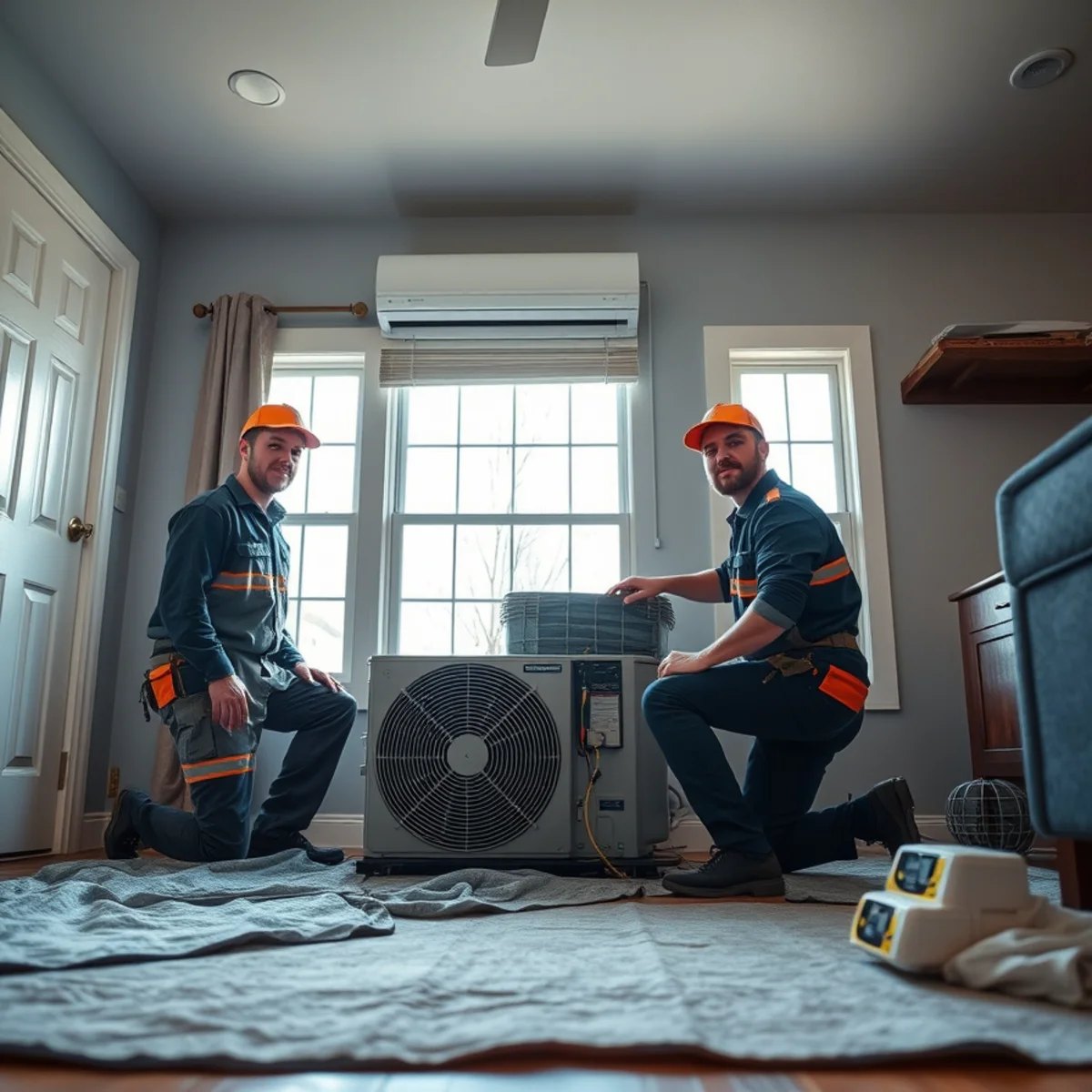
If the ice keeps coming back after you've cleared it, that's the signal the underlying cause — refrigerant, airflow, a defrost fault, or drainage — needs a professional. A frozen heat pump on a cold night counts as an emergency HVAC repair in our book, and we'd rather get to it before your home loses heat overnight. Folks throughout Glenwood and the surrounding area count on us for exactly this, year after year.
Bottom line: light frost that comes and goes is normal. A solid, stubborn block of ice means call a tech. Heat pumps are reliable workhorses in our mild winters, but a freeze-up that won't quit is the system telling you it needs help.
Heat pump iced over and not keeping up? Don't let it run frozen. Call or text Brooks Killian and his team at (327) 210-5999 — we're Open 24 Hours with 24/7 emergency service for Glenwood and all of Pike County. You can also Request Service and we'll get you back to warm. Family-owned, 32+ years in the area, Arkansas License #0852404.
By the Killian's Heat & Air team
Reviewed by owner Brooks Killian, who has serviced and installed central heating and air across Glenwood and Pike County for 32+ years (Licensed AR HVAC #0852404). Meet the team.