Quick Answer
To lower cooling bills in an Arkansas summer, set a comfortable but not frigid temperature, change filters regularly, keep vents and the outdoor unit clear, seal air and duct leaks, use shade and ceiling fans, manage humidity with the AUTO fan setting, and keep up with maintenance. The savings add up without sacrificing comfort.
In this article
When the dew point climbs and the highs sit in the low-to-mid 90s for weeks at a stretch, your air conditioner runs hard around here, and the power bill shows it. The good news is that lowering your cooling bill in an Arkansas summer doesn't take gimmicks or gadgets. It takes a handful of honest habits, a little sealing and cleaning, and a system that's kept in good shape. None of these will make you uncomfortable, and most of them cost little or nothing.
Here's a plain-spoken rundown of what actually moves the needle in our humid heat, and what's just wishful thinking.
Why Arkansas summers hit cooling bills hard
Our climate is humid subtropical, which is a fancy way of saying hot, sticky, and long. Summer highs in Glenwood routinely reach the low-to-mid 90s, and the high dew points mean your AC isn't just cooling air, it's wringing moisture out of it too. That moisture removal is real work, and it's a big part of why your electric bill is higher in July than it is for folks in a dry climate at the same temperature.
A few things stack up against you in summer:
- Long run times. The heat doesn't break much overnight, so your system gets little rest.
- A heavy humidity load. Pulling moisture out of the air takes energy on top of lowering the temperature.
- Older homes. A lot of our housing stock is lumber-mill-era frame homes with crawlspaces, which often means thinner insulation and more air leakage than newer construction.
You can't change the weather, but you can change how hard your home makes your AC work. That's where the savings live.
Thermostat habits that help
Your thermostat is the single biggest lever you control, and how you use it matters more than the brand on the wall.
Set a comfortable but not frigid temperature. Many homeowners find a setting in the high 70s comfortable while they're home. Every degree you nudge the thermostat up in summer is less run time and a lighter bill. Find the warmest setting you're genuinely comfortable with and let it ride.
Don't crank it way down to cool faster. Setting the thermostat to 65 does not cool your home any quicker. The AC puts out the same cold air either way; you just risk it running far longer and overcooling. Set your target and walk away.
Use modest setbacks when you're away. Letting the house drift up a few degrees while you're at work saves energy. Just don't overdo the setback in our humidity, or the system has to work hard to pull moisture back out when it kicks on. A smart or programmable thermostat makes this easy and hands-off. We cover this in more depth in our guide to thermostat settings for Arkansas summers.
Bills climbing for no reason? Call or text Brooks at (327) 210-5999 and let us take a look. Killian's is family-owned, local to Glenwood, and open 24/7.
Keep airflow clean and unblocked
A cooling system that can't breathe burns energy for nothing. This is the cheapest, most overlooked place to save.
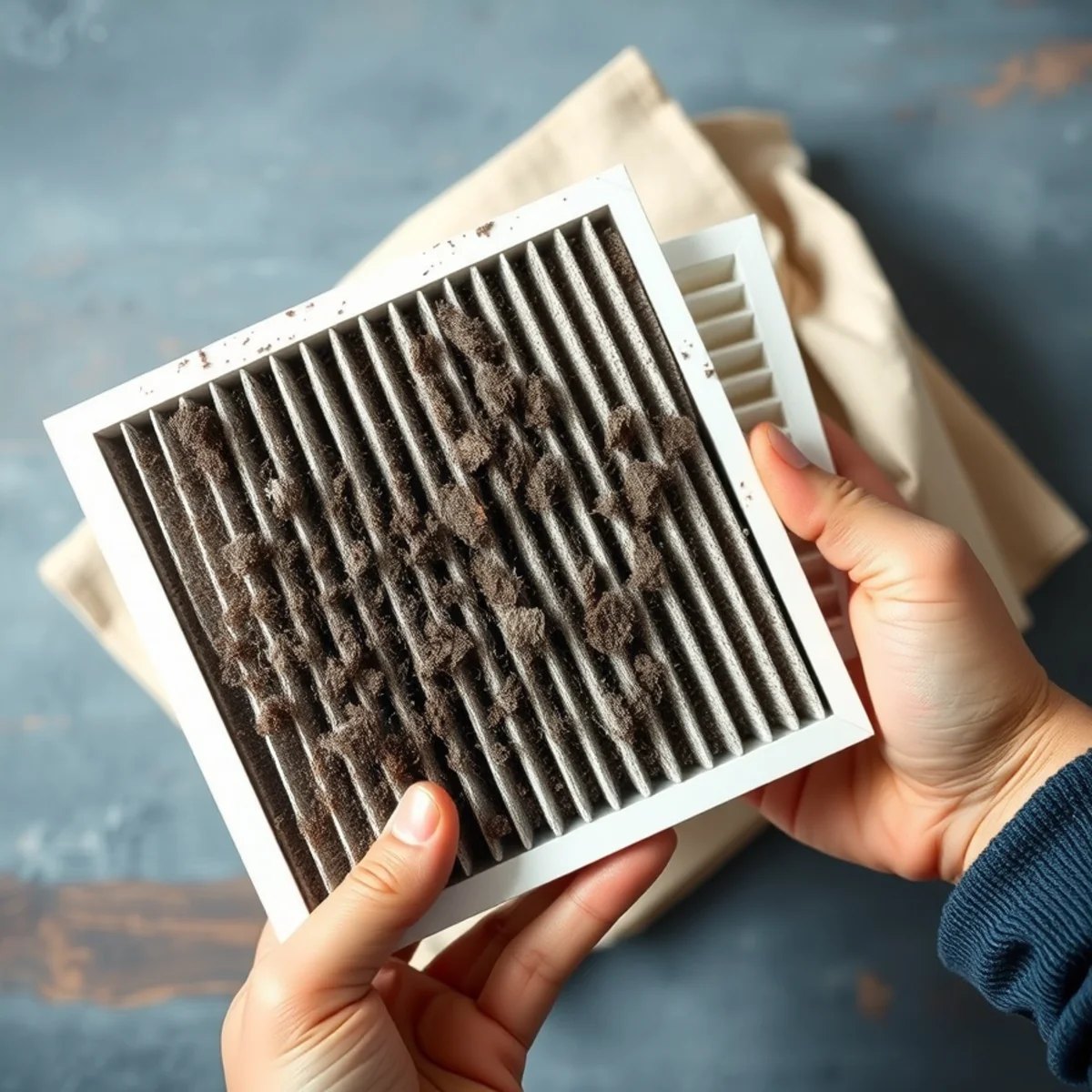
Change your filter on schedule. A clogged filter chokes airflow, makes the blower work harder, and can even freeze the coil. In our long pollen season (mid-February through May) and dusty summer, filters load up faster than you'd think. Check it monthly during heavy-use season and swap it when it looks gray.
Keep supply and return vents open and clear. Furniture, rugs, and closed doors all choke the air your system is trying to move. Counterintuitively, closing vents in unused rooms usually doesn't save money; it raises pressure in the ducts and can hurt efficiency. If you have rooms you rarely use, zoning or a ductless mini-split is a smarter fix than slamming registers shut.
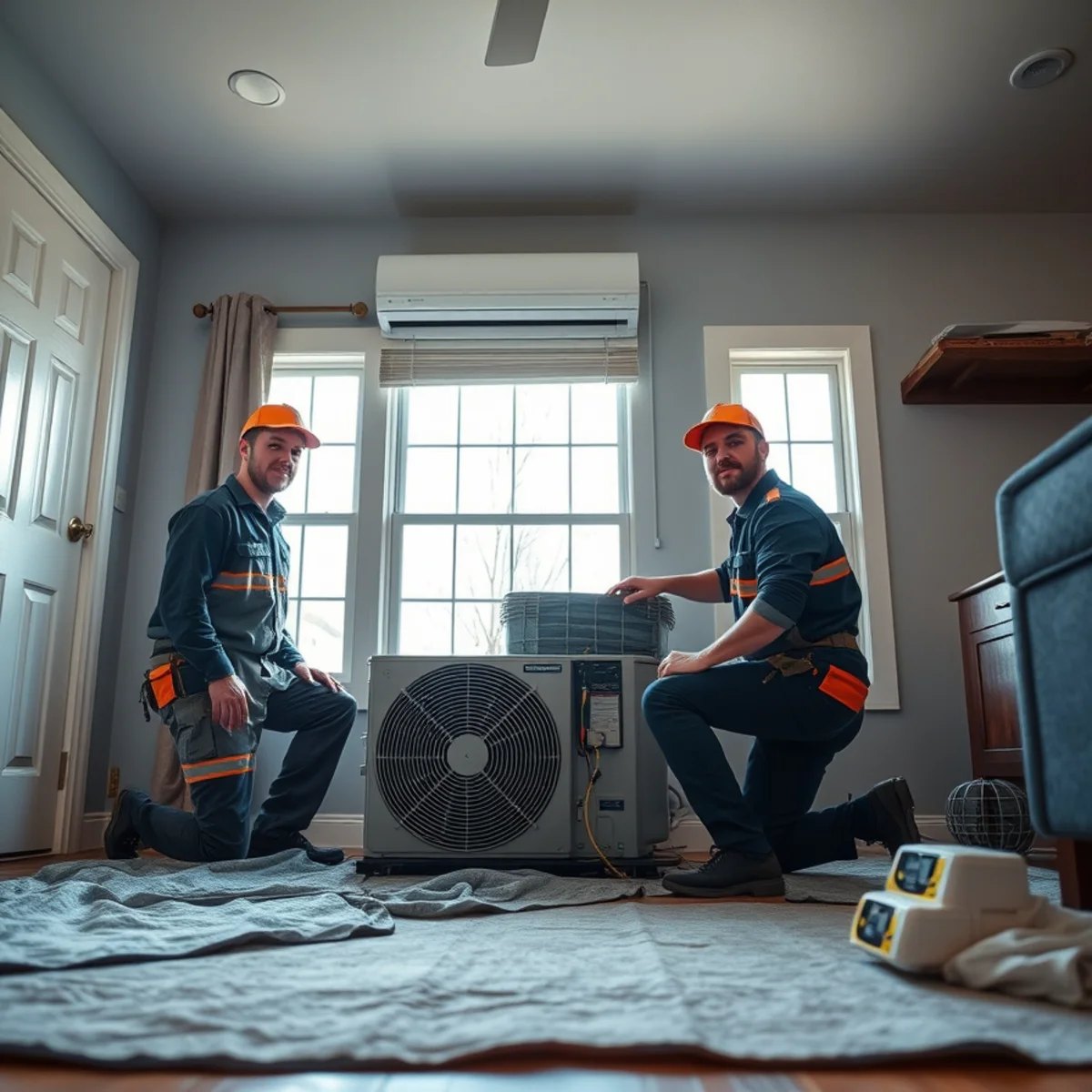
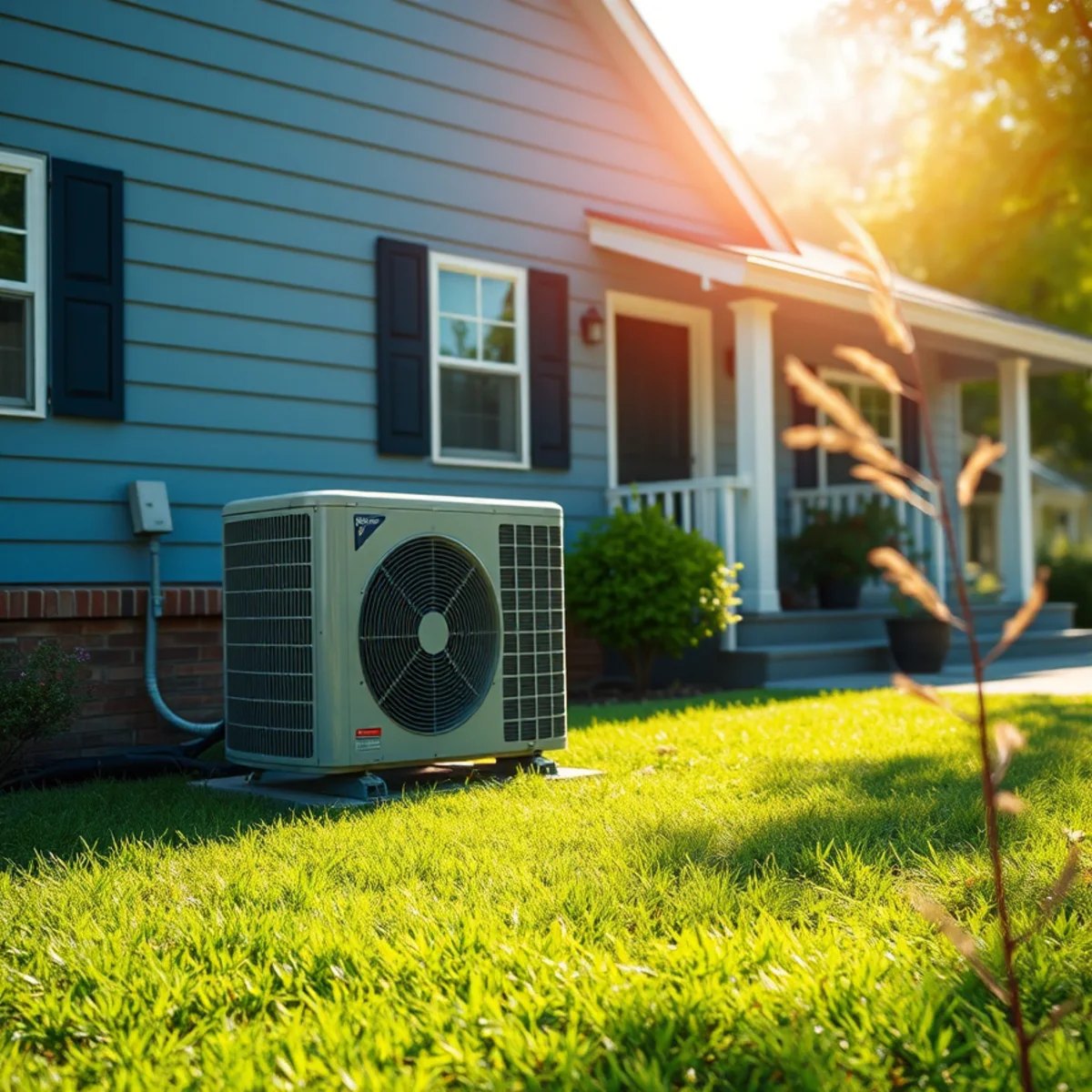
Clear the outdoor unit. That condenser outside needs open air on all sides to dump heat. Pull weeds, trim back shrubs to give it a couple of feet of clearance, and gently rinse off grass clippings and cottonwood fuzz. A coil packed with debris makes the whole system strain.
Seal the leaks (windows, doors, ducts)
Every bit of cooled air that escapes, and every bit of hot outdoor air that sneaks in, is money walking out the door.
- Weatherstrip doors and windows. Older frame homes are notorious for gaps. A few dollars of weatherstripping and a tube of caulk around window frames go a long way.
- Seal the obvious indoor gaps. Outlets on exterior walls, attic hatches, and where pipes or wires pass through walls all leak air.
- Don't forget the ducts. In homes with crawlspaces and attic flex duct, leaky or disconnected runs can dump a real chunk of your cooled air into spaces you're not living in. Rodent-damaged and aging ductwork is common in our older homes, and sealing or repairing it is one of the better returns on the dollar. If you suspect your ducts are the problem, duct repair and sealing is worth a look.
Shade, fans, and reducing heat gain
The less heat that gets into your house, the less your AC has to remove.
Block the sun. South- and west-facing windows take a beating in the afternoon. Close blinds or curtains during peak sun, and consider exterior shade from trees or awnings where you can. The Ouachita foothills give a lot of homes natural tree cover; use it.
Run ceiling fans the right way. Fans don't lower the temperature; they cool people by moving air across your skin. That lets you bump the thermostat up a degree or two and feel the same. But fans only help when someone's in the room, so turn them off when you leave. Leaving fans running in empty rooms just adds to the bill.
Cook and dry smart. The oven, stove, and clothes dryer all dump heat and humidity into the house. On the hottest days, grill outside, run the dryer in the evening, and use exhaust fans to vent moisture.
Don't fight your AC against humidity
Here's the Arkansas-specific catch: temperature isn't the whole story. Comfort is about humidity too, and humidity is half the reason our bills run high.
If your home feels cool but sticky, your system may be cooling the air without removing enough moisture. That often points to an oversized or short-cycling system that shuts off before it can dehumidify. Set your fan to auto, not on; leaving the blower running constantly can re-evaporate moisture off the coil and push it right back into your living space, making the house feel clammy and tempting you to drop the thermostat further.
A system that runs longer, steadier cycles actually dehumidifies better and can let you stay comfortable at a higher temperature, which is exactly what you want for a lower bill. Indoor air quality and humidity go hand in hand, something we dig into in our piece on indoor air quality in Arkansas homes.
The role of maintenance and right-sizing
You can do everything above and still pay too much if the equipment itself is dirty, low on refrigerant, or sized wrong.
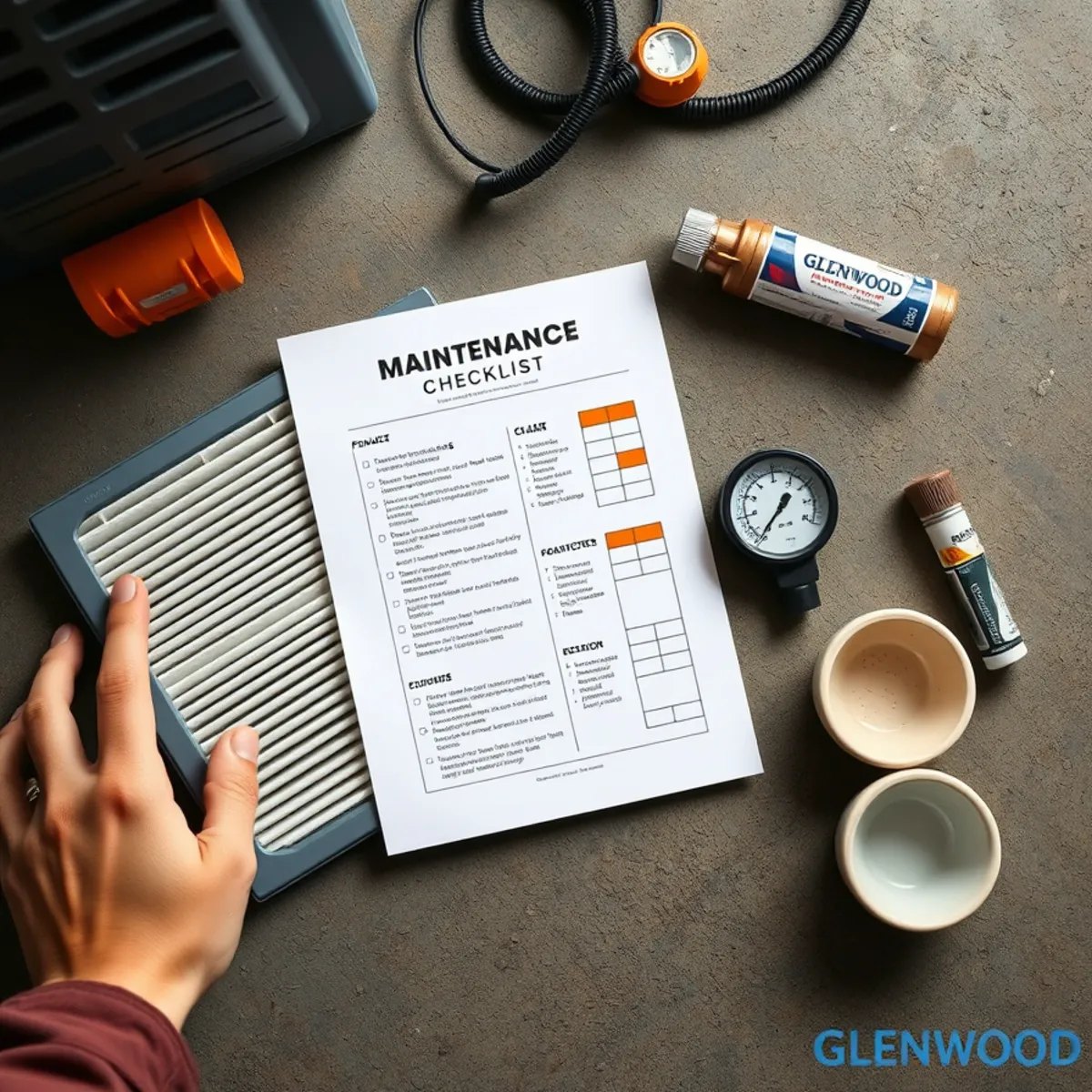
Regular maintenance keeps efficiency up. A clean condenser coil, a clean evaporator coil, correct refrigerant charge, and a clear drain line all let the system do its job with less energy. Skipping tune-ups lets efficiency quietly slide year after year. Seasonal HVAC maintenance is the single best habit for keeping summer bills in check, and it catches small problems before they become breakdowns on a 95-degree afternoon.
Right-sizing matters. An oversized system cools fast, short-cycles, and never runs long enough to pull humidity out, leaving you cold, clammy, and overpaying. If you're replacing equipment, insist on a proper load calculation rather than just matching the old unit. Homeowners across Glenwood and the surrounding Pike County area deal with this all the time in older homes that have been added onto over the years.
When higher bills signal a real problem
Some bill increases are just the weather. A longer or hotter stretch than usual will show up on your statement, and that's normal. But a sudden spike when your usage and habits haven't changed is worth investigating.
Watch for a jump that pairs with any of these:
- The house isn't getting as cool as it used to.
- The system runs almost constantly and still can't keep up.
- You hear new noises, or the unit cycles on and off rapidly.
- Airflow at the vents feels weak.
Those can mean a dirty coil, low refrigerant from a leak, a failing capacitor, or a frozen evaporator coil, all of which make the system work harder and cost you more while slowly damaging it. None of those fix themselves. If your bill spiked and the comfort dropped, it's time for a professional AC repair and diagnosis before a small problem turns into a no-cool call in the heat of July.
The bottom line: lowering your cooling bill in an Arkansas summer is mostly about working with your system instead of against it. Comfortable thermostat habits, clean airflow, sealed leaks, smart shade and fan use, managed humidity, and steady maintenance add up to real savings, no gimmicks required.
Want a second set of eyes on a bill that won't quit? Call or text Brooks at (327) 210-5999. Killian's Heat & Air is family-owned in Glenwood, Open 24 Hours with 24/7 emergency service, and we'll give you a straight answer. Request Service any time.
By the Killian's Heat & Air team
Reviewed by owner Brooks Killian, who has serviced and installed central heating and air across Glenwood and Pike County for 32+ years (Licensed AR HVAC #0852404). Meet the team.