
Quick Answer
Indoor air quality matters in Arkansas because the long tree-pollen season, heavy rainfall, high humidity, and older crawlspace homes push allergens and moisture indoors. Your HVAC system is the main tool to manage it, filtering, dehumidifying, and circulating air when filters are clean, ducts are sealed, and the system is right-sized.
In this article
If you've ever felt stuffy inside on a humid August afternoon, or watched dust settle on every surface during spring pollen season, you've already met the indoor air quality problem firsthand. Here in Glenwood and across Pike County, the same climate that makes our summers muggy and our springs yellow with pollen also shapes the air inside your home. The good news is that your heating and cooling system is one of the biggest levers you have — when it's set up right, it filters, dries, and circulates the air you breathe all day long.
This guide walks through why indoor air quality (IAQ) is a genuine concern for Arkansas homes, how your HVAC system fits in, and the practical steps that actually help.
Why Arkansas homes face real IAQ challenges
Indoor air quality isn't just a big-city or industrial worry. Out here, the challenges are mostly natural — and they're stronger than in a lot of the country. A few things stack up against us:
- A long, heavy tree-pollen season that runs from mid-February well into May.
- Very wet weather — roughly 58 inches of rain a year — that keeps the ground, crawlspaces, and the air loaded with moisture.
- Hot, humid summers where dew points stay high and your home wants to hold onto that dampness.
- Older lumber-mill-era frame homes built over crawlspaces, where moisture and musty air can work their way up into living spaces.
The takeaway: the air inside an Arkansas home is fighting pollen for months and fighting humidity nearly year-round. Both of those are things a well-running HVAC system is built to help manage.
Pollen season: mid-February through May
Anyone who's lived here a few springs knows the routine. The cars turn green, the porch needs sweeping every other day, and folks with allergies start reaching for the tissues. Our oak, hickory, and cedar trees throw off pollen for a long stretch — from mid-February through May — and the Ouachita Mountains and river bottoms around us are nothing but trees.
That pollen doesn't stay outside. Every time a door opens, it drifts in. It rides in on clothes and pets, settles into carpet and upholstery, and gets pulled into your return ducts and recirculated. For households with allergies, asthma, or just sensitive sinuses, indoor pollen can make the whole season miserable.
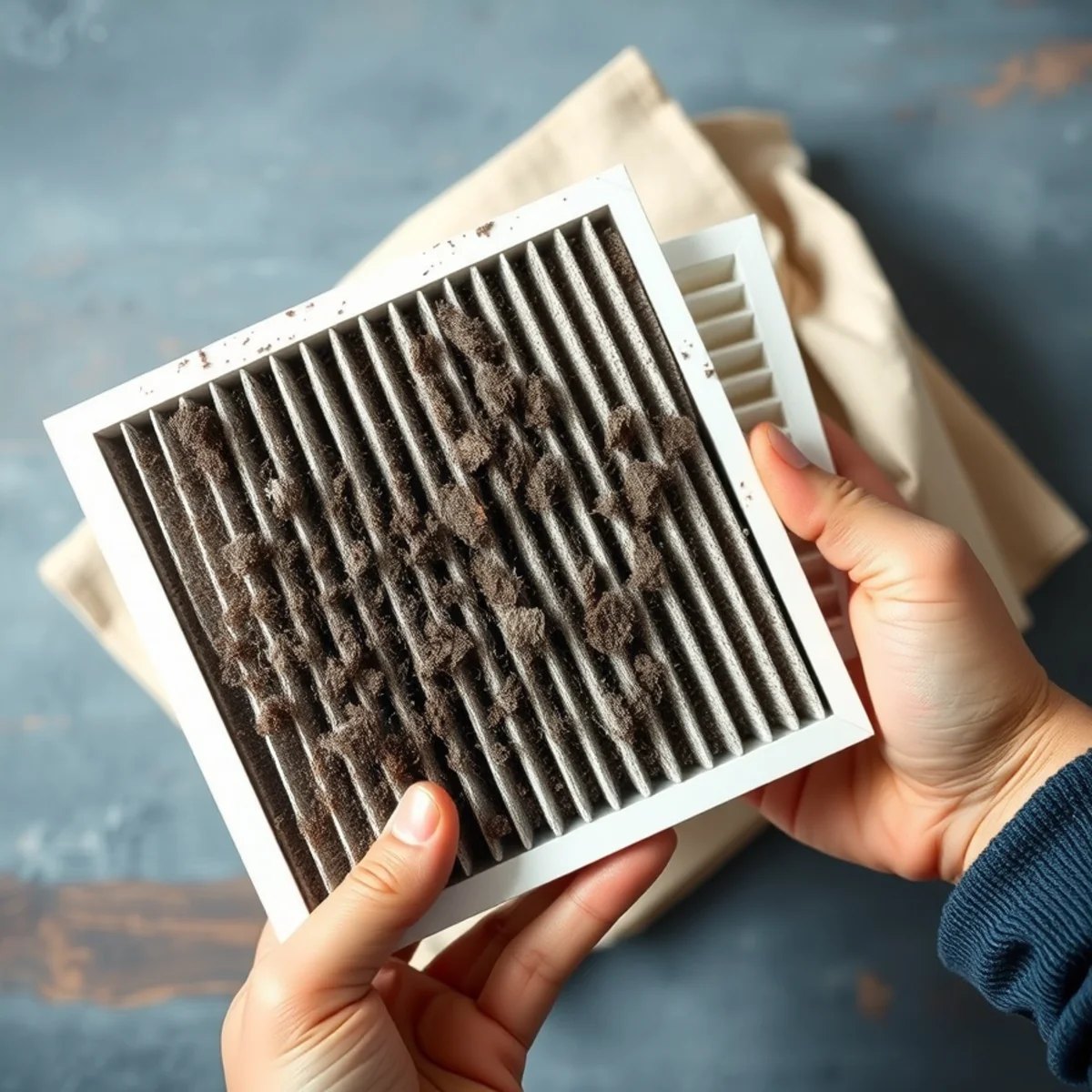
This is where your filtration matters most. A clean, good-quality filter captures a real share of that pollen on every pass, so the system is scrubbing the air instead of just moving it around. A clogged or cheap filter does the opposite — it lets fine particles slip through and chokes airflow at the same time.
Allergy season rough indoors? Call or text Brooks at (327) 210-5999 and ask about filtration options. Killian's has served the Glenwood area for over three decades, and we'll point you to what actually fits your home — no upsell.
Humidity, crawlspaces, and older frame homes
Pollen is seasonal. Humidity is the year-round battle, and it's tied to the kind of homes we have here.
A lot of Glenwood-area houses are older frame homes sitting over crawlspaces, plus there are all the Caddo River and Lake Greeson cabins. With ~58 inches of rain a year, that ground stays damp, and a crawlspace acts like a sponge under your floor. Moist, musty air rises through gaps in the subfloor and around plumbing penetrations into your living space — bringing that stale, earthy smell with it.
High indoor humidity causes real problems beyond comfort:
- Mold and mildew thrive on damp surfaces, in ductwork, and around windows.
- Dust mites multiply in humid air — a common allergen in bedding and carpet.
- That "sticky" feeling makes a 74-degree room feel warmer and stuffier than it should.
- Condensation can damage wood, drywall, and insulation over time.
When the air holds too much moisture, no air filter alone can fix it. Controlling humidity is its own job, and it's one your cooling system is supposed to handle as it runs.
How your HVAC system affects the air you breathe
Here's the part a lot of homeowners don't realize: your HVAC system touches nearly all the air in your home, over and over, every day it runs. That makes it the single most powerful tool you have for cleaning the air — or, if it's neglected, a way to spread problems around.
A healthy system helps in three ways:
- It filters. Every cycle, return air passes through your filter before it's reconditioned and sent back out.
- It dehumidifies. As warm, humid air passes over the cold evaporator coil, moisture condenses out and drains away. A right-sized AC running steady cycles pulls a surprising amount of water out of your home.
- It circulates. Moving air evens out temperature and keeps spaces from going stale and damp.
But the same system can hurt your air if it's not maintained. A clogged filter starves airflow and lets dust through. Leaky or rodent-damaged ducts — common in our crawlspace and attic runs — pull dusty, humid, sometimes critter-contaminated air straight into the airstream. A clogged condensate drain line backs up moisture (one reason we install high-level safety switches on drains). And an oversized unit short-cycles, cooling the air fast but shutting off before it ever removes the humidity, leaving you cold and clammy.
That's why regular HVAC maintenance is really air-quality work. Clean coils, fresh filters, clear drains, and sealed ductwork all add up to cleaner, drier, healthier air.
Filtration: filters, media, and air cleaners
Not all filtration is equal, and the right choice depends on your household.
Basic fiberglass filters are the cheap blue or green panels. They protect the equipment from big debris but do almost nothing for fine pollen and dust. If anyone in the home has allergies, you'll want better.
Pleated filters have far more surface area and catch much more pollen, dander, and dust. For most homes, a quality pleated filter changed on schedule is a big step up — just don't jump to the highest restriction rating without checking that your system can handle the airflow.
Whole-home media filters are thick, high-capacity cabinets installed at the air handler. They capture more, last longer between changes, and don't choke airflow the way a too-dense one-inch filter can.
Air cleaners go a step further for sensitive households, targeting smaller particles and, in some designs, biological growth.
The takeaway: match the filter to your home and your health needs, and change it on time. A great filter that's clogged solid is worse than a basic one that's fresh. If you're not sure what your system can handle, our indoor air quality help is a quick conversation, not a sales pitch.
Humidity control and ventilation
Because moisture is our constant companion, humidity control deserves its own attention.
The first line of defense is your AC doing its job. A properly sized system runs longer, steadier cycles that wring moisture out of the air. An oversized one cools too fast and never dehumidifies — which is why "bigger" is so often the wrong call in Arkansas. Keeping the fan on auto rather than on also matters: running the blower constantly can re-evaporate moisture off the coil and push it back into your rooms.
For homes that still feel damp — especially those over crawlspaces or in cabin settings — added humidity control or improved ventilation can make a real difference. Spot-venting bathrooms and the kitchen, addressing crawlspace moisture, and in some cases adding dedicated dehumidification all help pull indoor humidity into a healthy range, generally somewhere around 40 to 50 percent.
The goal isn't bone-dry air. It's steady, comfortable moisture levels that don't feed mold or dust mites and don't leave your home feeling like a swamp in July.
Simple steps homeowners can take
You don't need to overhaul anything to start breathing easier. A few habits go a long way:
- Change your filter on a real schedule — check it monthly during heavy pollen and peak cooling, and replace it before it's gray and packed.
- Keep return vents and supply registers clear of furniture and rugs so air can move.
- Run bath and kitchen exhaust fans to vent moisture at the source.
- Use ceiling fans to feel cooler and keep air circulating without dropping the thermostat.
- Keep the area around the outdoor unit clean of grass clippings, leaves, and pollen buildup.
- Tackle moisture at the crawlspace — standing water, missing vapor barrier, or a musty smell are worth investigating.
- Don't ignore musty odors or worsening allergies indoors — they're often early signs of a humidity or duct problem.
And once a year, let a tech go through the system. Most of what affects your air — coils, drains, ducts, and filtration — lives where you can't easily see it.
Bottom line: in our climate, indoor air quality isn't a luxury add-on. Between months of pollen and a year of humidity, the air inside your home needs help, and your HVAC system is the workhorse that provides it when it's clean, sealed, and right-sized.
Breathing easier starts with a system that's working for you, not against you. Whether it's pollen-season filtration, a humidity problem you can't shake, or ductwork that needs attention, Brooks Killian and his team are here to help. Call or text (327) 210-5999 — we're Open 24 Hours with 24/7 emergency service across Glenwood and Pike County. Request Service and let's get your air right. License #0852404.
By the Killian's Heat & Air team
Reviewed by owner Brooks Killian, who has serviced and installed central heating and air across Glenwood and Pike County for 32+ years (Licensed AR HVAC #0852404). Meet the team.