Quick Answer
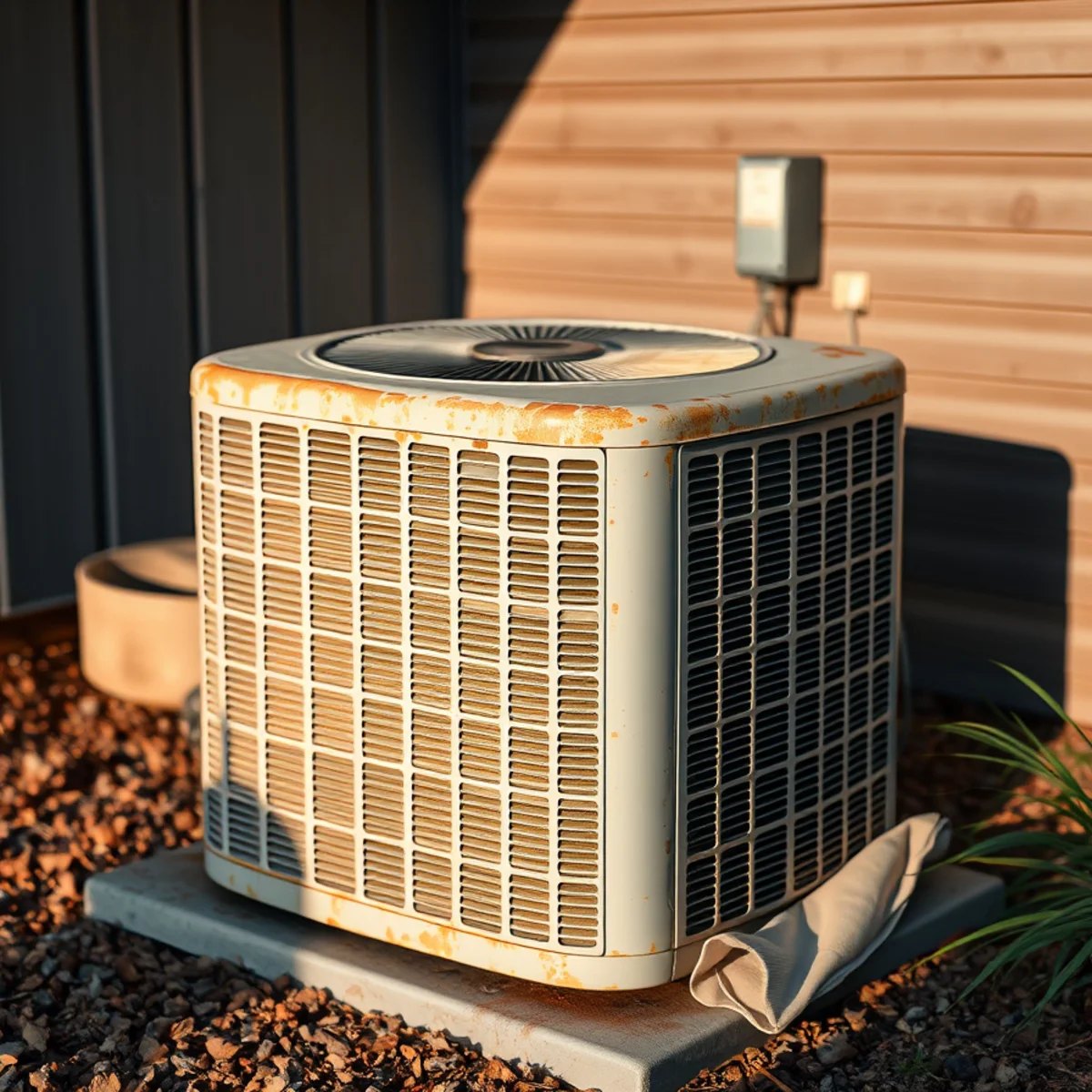
In Arkansas, central air conditioners and heat pumps typically last about 10 to 15 years, while furnaces often go longer. Our long, humid summers and heavy run hours push cooling equipment toward the lower end, but good maintenance, clean filters, and prompt repairs help a system reach the upper end of its range.
In this article
If you want the short version: most central air conditioners and heat pumps in our area last somewhere in the rough range of 10 to 15 years, and furnaces often go longer. But that's an average, not a promise. Here in Glenwood and across Pike County, our hot, humid summers and the way a system gets used matter just as much as the brand on the box.
This guide walks through realistic lifespan numbers by equipment type, why our climate is harder on HVAC than the national averages assume, and what you can actually do to get more years out of what you own.
The honest answer: it depends
We'll be straight with you the same way Brooks would be at your door: there's no single number that fits every home. Two identical units installed the same week can age very differently depending on how they were installed, how hard they run, and whether anyone ever changed the filter.
What we can tell you is which factors move the needle:
- Installation quality — a system sized and installed right starts with years of life it would otherwise lose.
- Run hours — a unit cooling a Glenwood home through July and August logs far more hours than one in a mild climate.
- Maintenance — neglected systems fail early; cared-for ones reach the top of their range.
- Refrigerant and parts — older units may use refrigerant that's being phased out, which affects repair cost down the road.
So when someone asks "how long does HVAC last," the honest reply is a range plus an asterisk. The rest of this article is the asterisk.
Typical lifespan ranges by equipment type
Here are the general ranges we see hold up in real homes, keeping in mind that local conditions tend to pull cooling equipment toward the lower end:
- Central air conditioners: roughly 10 to 15 years. The outdoor condenser and compressor take the brunt of our summer load.
- Heat pumps: roughly 10 to 15 years, often closer to the lower end here because they run in both summer and winter (more on that below).
- Gas or propane furnaces: frequently 15 to 20 years, sometimes more, since they sit idle much of our mild winter and run hard only during cold snaps.
- Ductless mini-splits: often comparable to or better than central systems when well maintained, which is one reason we install so many Mitsubishi Electric ductless mini-splits for cabins, additions, and shops around the Caddo River and Lake Greeson.
- Ductwork: can last decades, but in older lumber-mill-era frame homes with crawlspaces, leaks, moisture, and rodent damage often shorten that.
Key takeaway: furnaces usually outlast the cooling side, which is why it's common for an AC or heat pump to need replacement while the furnace still has life left.
Wondering how much life your system has left? Call or text Brooks at (327) 210-5999 — Killian's is open 24/7 and happy to give you an honest read, no pressure.
Why Arkansas conditions affect lifespan
Most published lifespan numbers come from national averages, and those averages don't know what a Glenwood summer feels like. Our humid-subtropical climate is genuinely harder on equipment, and it shows up in a few specific ways.
Heavy cooling load. Summer highs sit in the low-to-mid 90s for weeks, with high dew points that keep the system running long after it's hit your set temperature. More run hours mean more wear on the compressor, fan motors, and capacitors — the parts that tend to fail first.
Moisture, everywhere. We get around 58 inches of rain a year. That moisture, combined with high humidity and the heavy condensate load your AC pulls out of the air, is hard on outdoor coils and drain lines. Coils corrode, fins weather, and clogged condensate drains can trip safety switches or cause water damage if they're ignored.
Pollen and debris. From mid-February through May, tree pollen coats everything outdoors, including your condenser coil. A pollen-caked, dirty coil makes the system work harder and run hotter, which shortens its life over time.
None of this means your system is doomed to fail early — it just means the national "15 to 20 year" optimism for cooling equipment doesn't always survive contact with an Arkansas August.
Heat pumps that run year-round
Heat pumps deserve their own note because they're common around here and they earn their lifespan the hard way. A straight air conditioner gets a rest all winter. A heat pump doesn't — it cools in summer and heats in winter, so it accumulates run hours on both ends of the calendar.
That year-round duty is exactly why heat pumps often land at the lower end of the 10-to-15-year range in our climate. It's not a knock on the technology; it's just math. More hours, more wear.
The flip side is that heat pumps fit our mild winters with occasional cold snaps very well, and a well-maintained one can still give you a solid run of comfortable years. If yours is aging or struggling through cold snaps, our heat pump repair service can tell you whether it's a quick fix or the start of a bigger conversation.
What shortens HVAC life
If you want to know why a system died at 9 years when its neighbor made it to 16, the answer is almost always on this list:
- Skipped maintenance — the single biggest factor. Dirty coils, clogged filters, and unaddressed small issues compound into early failure.
- Wrong sizing — an oversized system short-cycles, never dehumidifies properly, and wears out its compressor faster. Bigger is not better in our humidity.
- Poor airflow — restricted returns, crushed flex duct, and closed vents make the equipment strain.
- Leaky or damaged ductwork — common in crawlspace homes, and it forces the system to run longer for the same comfort.
- Refrigerant problems — running low on refrigerant (always from a leak, never normal use) overheats the compressor.
- Letting small repairs slide — a weak capacitor or a noisy motor ignored long enough can take the compressor with it.
Most of these are preventable, which is the encouraging part.
What extends it
The good news is that the things that lengthen a system's life are all within reach, and none of them are exotic:
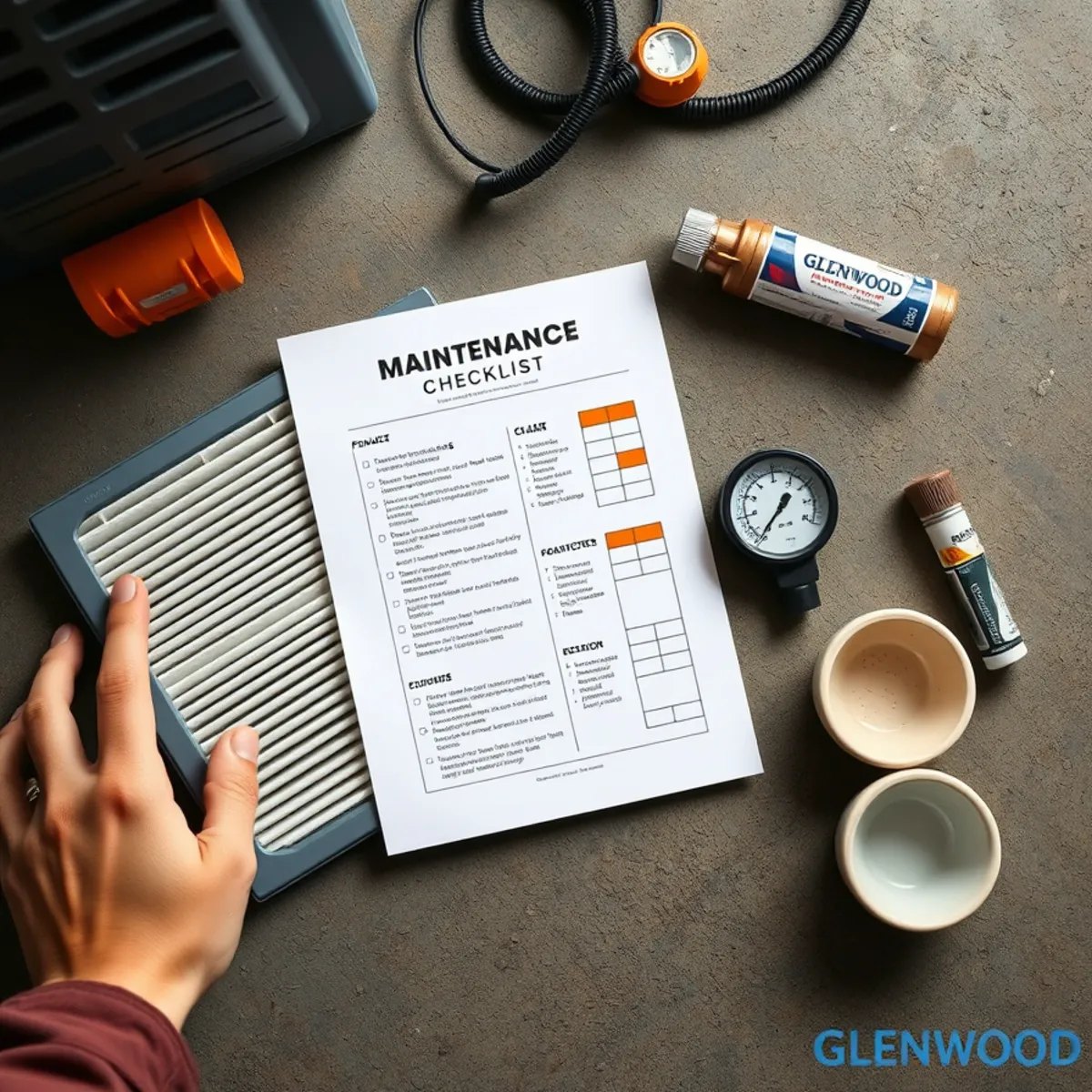
- Twice-a-year tune-ups — cooling in spring, heating in fall. Regular HVAC maintenance keeps coils clean, catches weak parts early, and keeps the system running efficiently across our seasons.
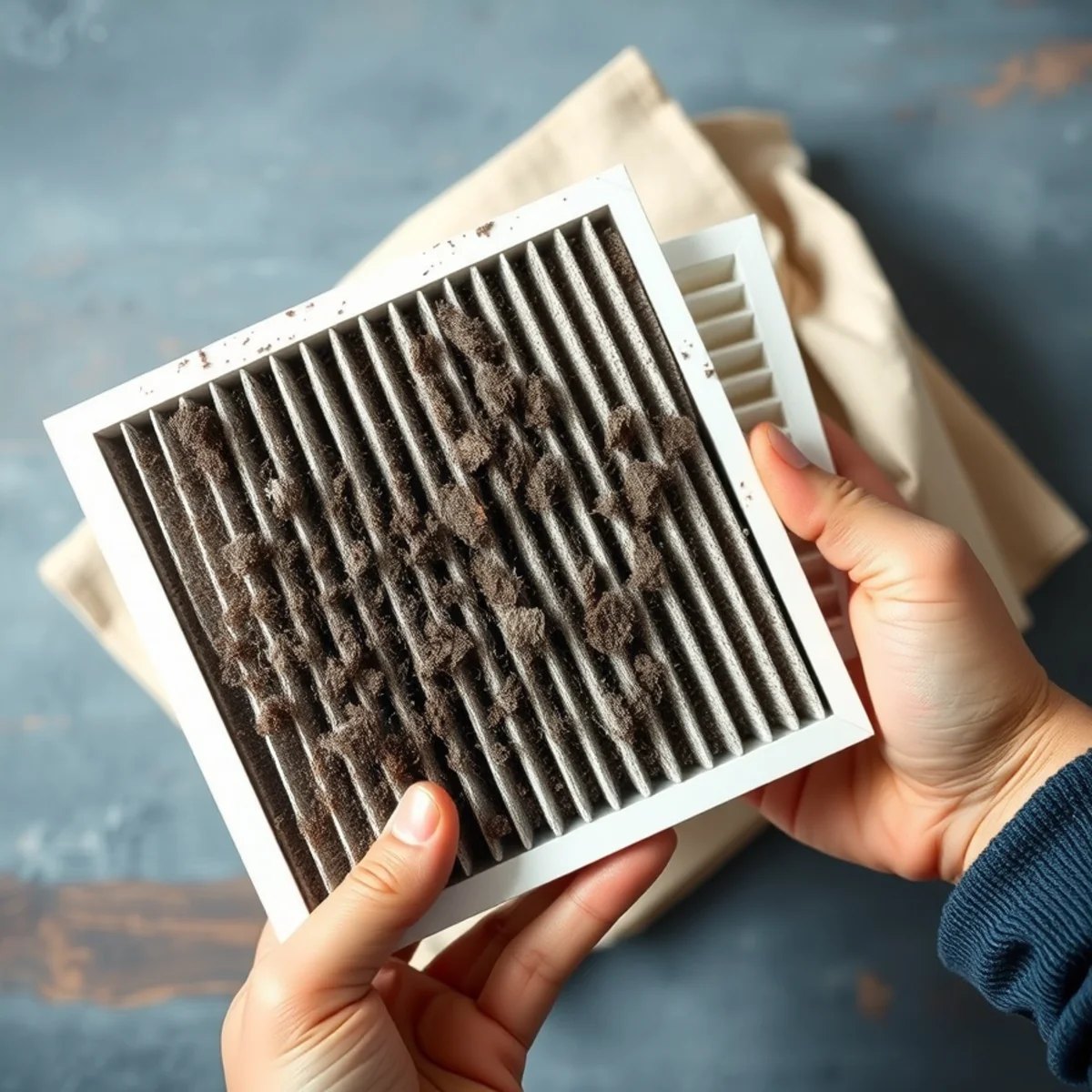
- Change the filter on schedule — a clogged filter chokes airflow and is one of the easiest causes of early wear to avoid.
- Keep the outdoor unit clear — rinse off pollen, pull weeds and debris back, and give it room to breathe.
- Fix problems promptly — small repairs are cheaper than the compressor they protect.
- Mind the condensate drain — in our humidity, a clear drain line and a working safety switch prevent both water damage and shutdowns.
A system that gets this kind of routine attention regularly reaches the top of its expected range, and sometimes pushes past it. We're proud that plenty of Glenwood-area homes we've maintained for years are still humming along on equipment their neighbors would have replaced.
Signs your system is nearing the end
Eventually every system reaches the point where repairing keeps costing more than it's worth. Watch for these signs:
- Age past the typical range — if your AC or heat pump is well past 12 to 15 years, start planning rather than reacting.
- Repairs getting frequent or expensive — when fixes start stacking up, the math shifts toward replacement.
- Rising energy bills with no change in how you use the system — a sign efficiency has dropped.
- Weaker comfort — rooms that won't cool, lingering humidity, or uneven temperatures.
- Outdated refrigerant — older units may use refrigerant that's harder and costlier to source.
If you're seeing a few of these, it's worth an honest second opinion before you sink more money into an aging unit. We genuinely try to repair before recommending replacement — but when a system is truly done, we'll tell you straight, and we can walk you through system replacement options that fit your home and budget. For a deeper look at that decision, see our guides on repair versus replacement and whether to repair or replace an old air conditioner.
You can also learn more about the Glenwood area we serve or reach out any time through our contact page with questions about your specific system.
The bottom line: plan on roughly 10 to 15 years for cooling equipment and longer for a furnace, knowing our climate pushes those numbers down and good maintenance pushes them back up. The single best thing you can do for your system's lifespan is keep it on a regular tune-up schedule.
Not sure how many years your system has left? Brooks Killian and his team have served Glenwood and Pike County for over 32 years, and we'll give you an honest answer — repair, maintain, or replace. Call or text (327) 210-5999. We're Open 24 Hours with 24/7 emergency service. Request Service and we'll take care of you, neighbor to neighbor. Arkansas HVAC License #0852404.
By the Killian's Heat & Air team
Reviewed by owner Brooks Killian, who has serviced and installed central heating and air across Glenwood and Pike County for 32+ years (Licensed AR HVAC #0852404). Meet the team.