Quick Answer
Whether to repair or replace an old air conditioner depends on four things: the unit's age, its refrigerant, repair frequency and cost, and whether it still keeps you comfortable. A single affordable fix is usually worth it, but a worn unit past 15 years leaking phased-out R-22 often points toward replacement.
In this article
If your air conditioner is getting up there in years and acting up again, the honest answer is: it depends — but you can usually tell which way to lean once you look at four things. Those are the unit's age, the refrigerant it runs on, how often (and how expensively) it keeps breaking, and whether it still keeps your house comfortable. A single, affordable fix on a unit with good years left is almost always worth doing. A worn-out system that's leaking phased-out refrigerant and struggling against a Glenwood August is a different story.
Here in Pike County, your AC works harder than most. Our summers run hot and humid — highs in the low-to-mid 90s with sticky dew points that pile on the moisture load — and the cooling season is long. That heavy demand is what tips a lot of these decisions, so let's walk through it the way we'd talk it over on your back porch.
Our approach: repair first when it's the right call
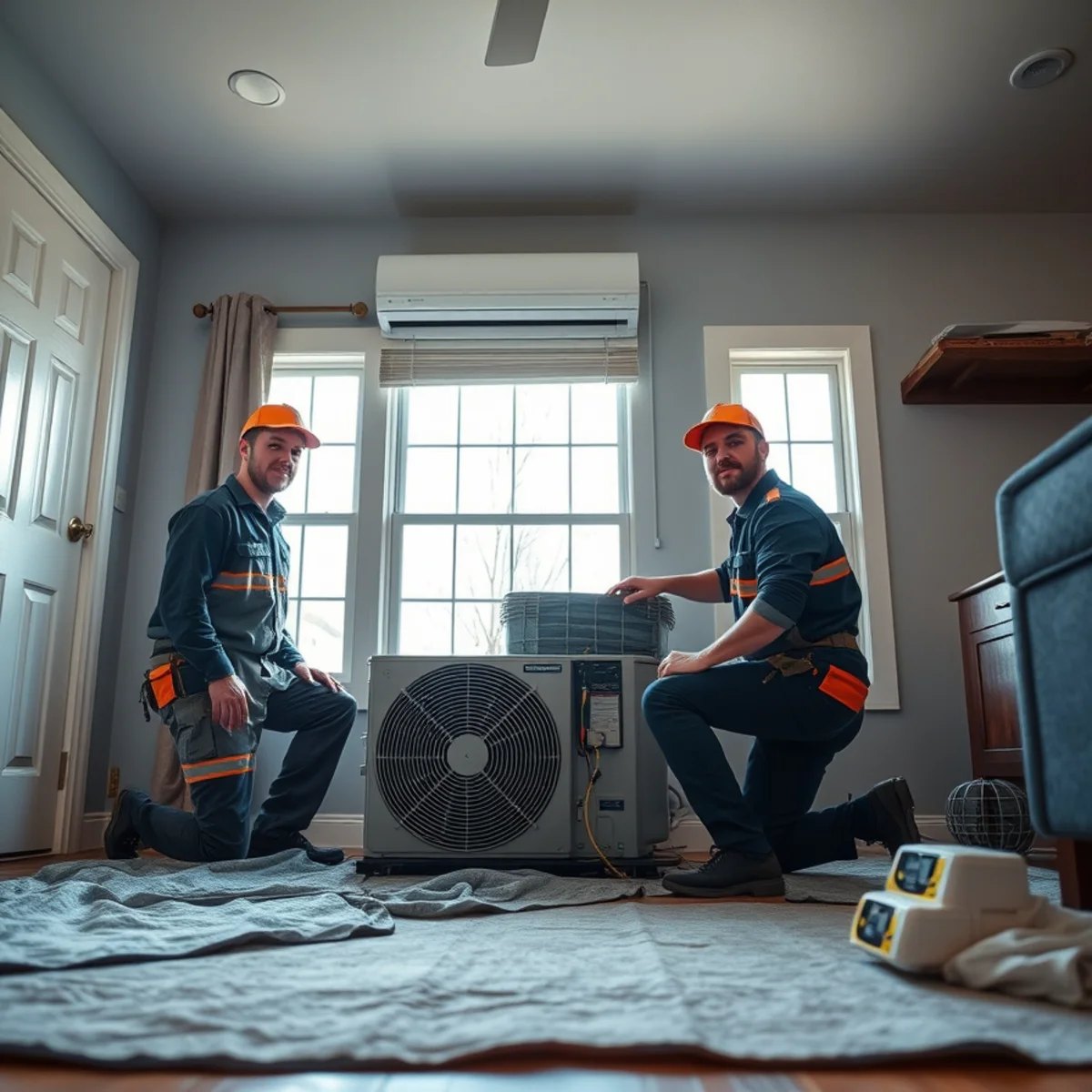
Brooks built Killian's on a simple idea: fix what can be fixed, and tell you straight when a repair is just delaying the inevitable. We're not a high-pressure replacement shop, and we never will be. A worn capacitor, a bad contactor, a clogged condensate drain, a single refrigerant leak that can be sealed — those are repairs, and on a sound unit they're money well spent.
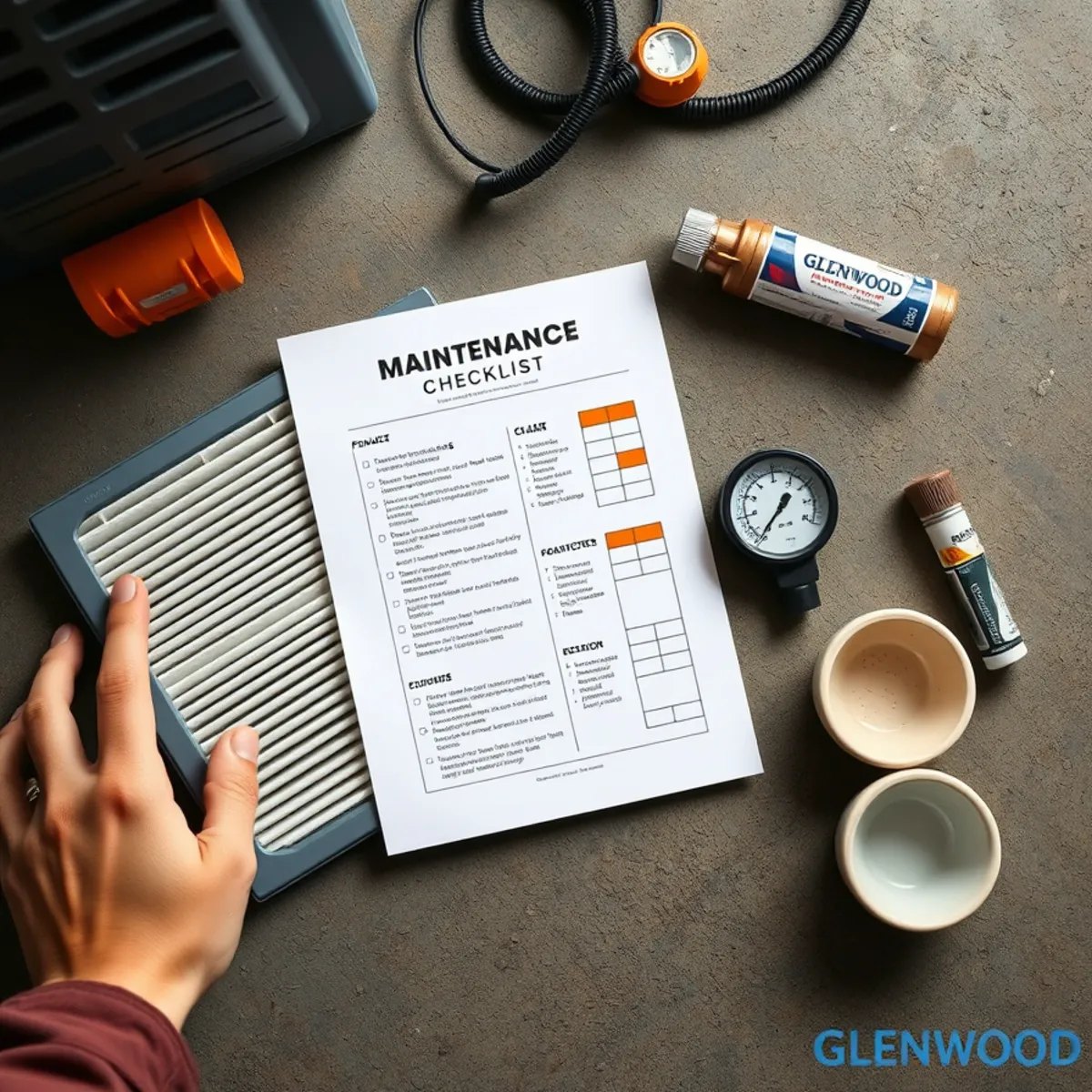
So before anyone talks about a new system, we diagnose the actual problem. Plenty of "my AC is dying" calls turn out to be a cheap part or a maintenance issue. You can read more about how we handle no-cool and component failures on our AC repair in Glenwood page.
Replacement enters the conversation only when the math and the comfort stop adding up — and when it does, we lay out the trade-offs and let you decide. No pressure, no scare tactics.
How old is the unit?
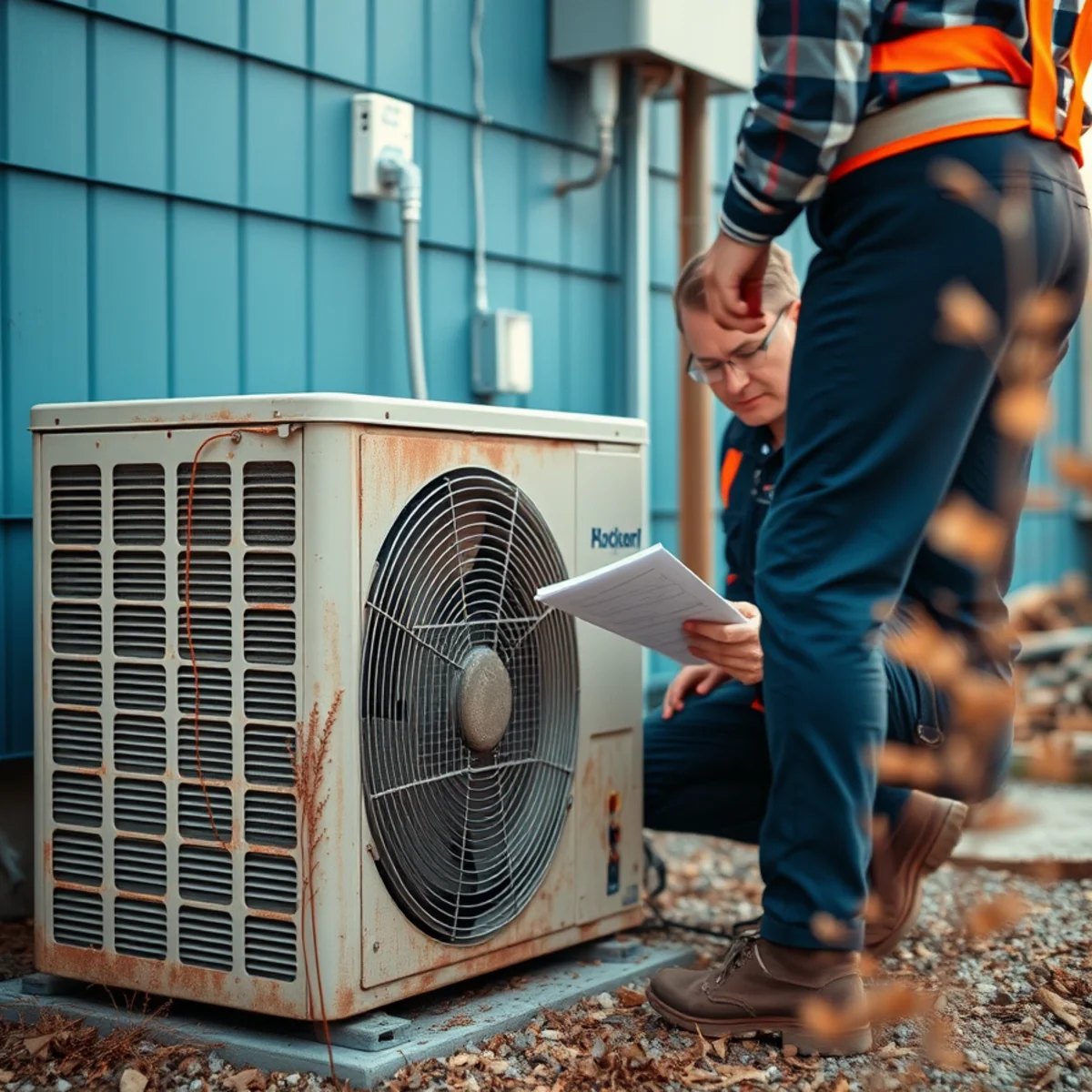
Age is the first thing we look at, because it frames everything else. In our climate, central air conditioners and heat pumps often land somewhere in the rough range of 10 to 15 years — sometimes less, because our long, humid cooling season runs them hard and moisture is tough on coils and components. A well-maintained unit can reach the upper end; a neglected one rarely does.
Here's the practical way to think about it:
- Under ~10 years: usually worth repairing. The system likely has plenty of life left, and one fix gets you back to many more good seasons.
- Around 10–15 years: the gray zone. Now the age, the repair cost, and the unit's condition all matter together.
- Past ~15 years: repairs get harder to justify. Parts are wearing across the board, efficiency has slipped, and you may be putting good money into a unit that's near the end anyway.
Age alone doesn't decide it — a tidy 13-year-old unit that needs one part is a different animal than a 13-year-old unit that's failed three times in two summers. But it sets the stage.
Want a straight answer on your old AC? Call or text Brooks at (327) 210-5999 — Killian's is open 24/7, and we'll tell you honestly whether yours is worth fixing.
The older-refrigerant problem (R-22)
This is the big one for older units, and it catches a lot of homeowners off guard. If your AC was installed before roughly 2010, there's a good chance it runs on R-22 refrigerant — and R-22 has been phased out of production in the U.S. It's no longer manufactured here, so what's left comes from recovered and stockpiled supply.
What that means in plain terms:
- R-22 is harder to get and more expensive when a system needs a recharge.
- A refrigerant leak in an R-22 unit isn't just a leak — it's a leak in a system that's costly and increasingly impractical to refill.
- Newer systems use different refrigerant (like R-410A or the latest low-GWP blends), so you can't simply swap refrigerant types into old equipment.
If your unit is leaking R-22, that's often the moment the scale tips toward replacement. Pouring expensive, dwindling refrigerant into a system that's going to lose it again is rarely the sensible long-term move. A single small fix is one thing; an ongoing refrigerant problem on phased-out equipment is another. When that's the situation, we'll walk you through a sensible system replacement instead of throwing money at a unit that won't hold a charge.
Repair frequency and cost vs. value
One repair is a repair. Three repairs in two seasons is a pattern — and a pattern is information.
A useful gut check: weigh the cost of the repair against the value of a new system and the time the old one has left. A modest fix on a unit with years ahead of it is easy to justify. A major repair — say, a failing compressor — on a 14-year-old system is a much harder call, because you might spend a real chunk of replacement cost on a unit that could let you down again next summer.
We won't quote you a magic percentage, because honestly the numbers vary too much by system and situation to fake one. Instead we look at it together:
- How much is this repair, really? (We'll tell you before any work starts.)
- How many repairs has it needed lately? Frequent breakdowns mean the rest of the unit is aging too.
- What's the risk it fails again soon? A worn compressor or repeated leaks are warning signs.
- What would you get for that money toward a new system? Sometimes a repair makes great sense; sometimes it's most of the way to a fresh start.
The goal is simple: don't sink replacement-level money into a unit that's on its way out — and don't replace a unit that just needs one honest fix.
Efficiency in our long cooling season
Even when an old AC still runs, it may be costing you more than you realize. Air conditioners lose efficiency as they age — coils foul, parts wear, and the unit simply isn't moving heat the way it did new. In a place with a short cooling season, that matters less. In Glenwood, where the AC runs hard for months on end, lost efficiency shows up on every power bill from late spring into fall.
A newer, right-sized, higher-efficiency system generally uses less energy than a tired older one running the same hours. We won't promise you a specific dollar figure — real savings depend on your home, your ductwork, your habits, and how poorly the old unit was performing. But if your bills have been creeping up with no change in how you use the system, aging efficiency is often part of the story, and it's worth factoring into the repair-or-replace decision.
Comfort and humidity issues
The last piece is the one you feel every day: is your home actually comfortable?
Our humidity makes this especially important. A healthy AC doesn't just lower the temperature — it pulls moisture out of the air so your house feels cool and dry instead of cold and clammy. As a unit ages and struggles, you might notice:
- The house never quite gets cool enough on the hottest afternoons.
- It cools but stays sticky and humid — a real giveaway in our climate.
- Some rooms are comfortable while others stay warm.
- The system runs almost constantly and still can't keep up.
If your old AC can no longer hold both temperature and humidity in check, repairs may buy time but won't fix the underlying decline. A properly sized replacement runs longer, steadier cycles that dehumidify the way our summers demand. For homeowners who've outgrown a tired unit, a fresh AC installation sized for the home is often what finally solves the clammy-house problem for good. This is also where it pays to be a Glenwood-area homeowner working with a local crew that knows exactly what our climate throws at a cooling system.
Making the call without pressure
So, repair or replace? Here's the short version:
- Lean toward repairing when the unit is younger, the fix is affordable and one-time, it still cools and dehumidifies well, and it's not stuck on phased-out refrigerant.
- Lean toward replacing when the unit is past its expected years, leaking R-22, racking up repeated or expensive repairs, dragging your bills up, or no longer keeping your home comfortable.
Most real situations land somewhere in between, and that's exactly where an honest second opinion helps. We'll diagnose the actual problem, tell you what the repair costs, and give you a clear-eyed read on whether it's worth doing or whether you'd be better off planning a replacement on your own timeline instead of during a July breakdown. The decision stays yours — our job is to make sure you've got the straight facts to make it.
Need a hand deciding? Call or text Brooks Killian and his team at (327) 210-5999. We're Open 24 Hours with 24/7 emergency service, we serve Glenwood and the surrounding Caddo River and Lake Greeson area, and we'll give you an honest answer on your old AC — no pressure, no upsell. Request Service anytime, day or night. (Arkansas HVAC/R License #0852404.)
By the Killian's Heat & Air team
Reviewed by owner Brooks Killian, who has serviced and installed central heating and air across Glenwood and Pike County for 32+ years (Licensed AR HVAC #0852404). Meet the team.