Quick Answer
Repair your HVAC when the system is relatively young, the fix is a single affordable one, and it's been running well. Lean toward replacement when it's past its expected life, repairs are frequent or costly, efficiency has dropped, comfort is failing, or it uses phased-out refrigerant, especially when several of these line up.
In this article
If your heating and cooling system just broke down again, you're probably asking one question: do I fix it one more time, or is it time to replace the whole thing? The honest answer is that it depends on a handful of things you can actually weigh — the age of the system, how often it's needing repairs, what those repairs cost compared to a new unit, how efficiently it's running, and whether it still keeps your home comfortable through a humid Arkansas summer.
Here's the short version. Repair usually makes sense when the system is still relatively young, the fix is a single affordable one, and it's been running well otherwise. Replacement starts to make sense when the unit is past its expected life, repairs are piling up, your bills are climbing, or it just can't keep up anymore. Below, we'll walk through each factor the way we'd talk it through with you on your back porch.
Our honest starting point: repair first when it makes sense
We'll say this plainly: Brooks built Killian's reputation over more than 32 years by repairing what can be repaired — not by talking people into new equipment they don't need. A lot of our customers have been with us 7 to 15-plus years for exactly that reason.
So when you call us out, the starting point is almost always a diagnosis, not a sales pitch. A weak capacitor, a failed contactor, a clogged condensate drain, a low refrigerant charge from a small leak — these are real, fixable problems, and on a system with good years left, fixing them is the smart move.
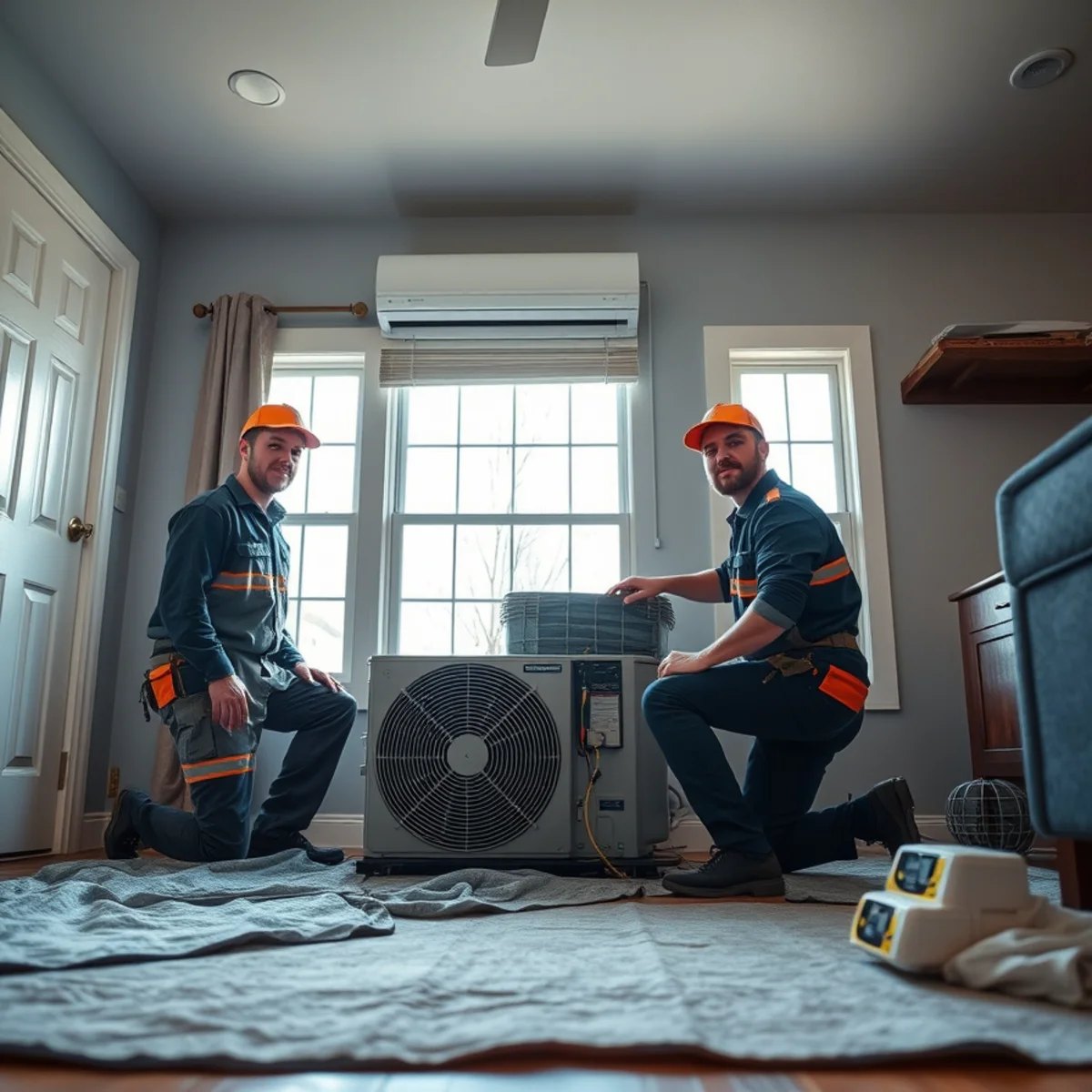
What we won't do is keep throwing your money at a system that's clearly at the end of its road. When a repair is just buying you a few more weeks before the next failure, we'll tell you that, too. The goal is an honest read, so you spend your money once and spend it well. If you ever want a straight second opinion, that's what our HVAC repair team in Glenwood is there for.
How old is your system, really?
Age is the single biggest clue. In our climate, air conditioners and heat pumps often run in the rough range of 10 to 15 years, and furnaces tend to go longer. Those are ballpark numbers, not promises — a well-maintained unit can beat them, and a neglected one can fall short.
Why the wide range? Because Glenwood works HVAC systems hard. Our humid-subtropical summers push highs into the low-to-mid 90s with heavy dew points, so your cooling system runs long hours under a serious moisture load. Heat pumps that handle both heating and cooling rack up even more run time across the year. Add roughly 58 inches of rain annually stressing crawlspace ductwork and outdoor coils, and equipment here simply ages faster than it would up north.
A few quick age signals:
- Under about 8 years old: repair is almost always the right call unless the damage is catastrophic.
- Around 10 to 15 years: this is the gray zone — weigh the repair against everything else on this page.
- Past 15 years: repairs still happen, but it's worth seriously considering a planned replacement before a breakdown decides for you.
Don't know your system's age? The manufacturer's label on the outdoor unit usually has a date, or the serial number can be decoded. We can tell you on the spot.
Want an honest second opinion? Call or text Brooks at (327) 210-5999 — Killian's is open 24/7, and we'll give you a straight read on whether to repair or replace.
The repair-cost rule of thumb
A common way to think about it: compare the cost of the repair to the value of the system you'd be saving. A small fix on a unit with years of life left is easy money well spent. A major repair — a compressor, a heat exchanger, a coil — on a system that's already old and inefficient is a different conversation.
We won't put a dollar figure on any of this, because it genuinely varies by the part, the system, and your home. What we will do is lay the numbers side by side: here's what this repair costs, here's roughly how much life it buys you, and here's what a replacement would mean over the next several years. Then you decide.
One thing worth watching is repair frequency. A single repair is normal. But if you've called for two or three fixes in the last couple of seasons, those costs add up fast, and they're often a sign the system is wearing out across the board. At that point, the math frequently tips toward a planned system replacement rather than another patch.
Efficiency and rising energy bills
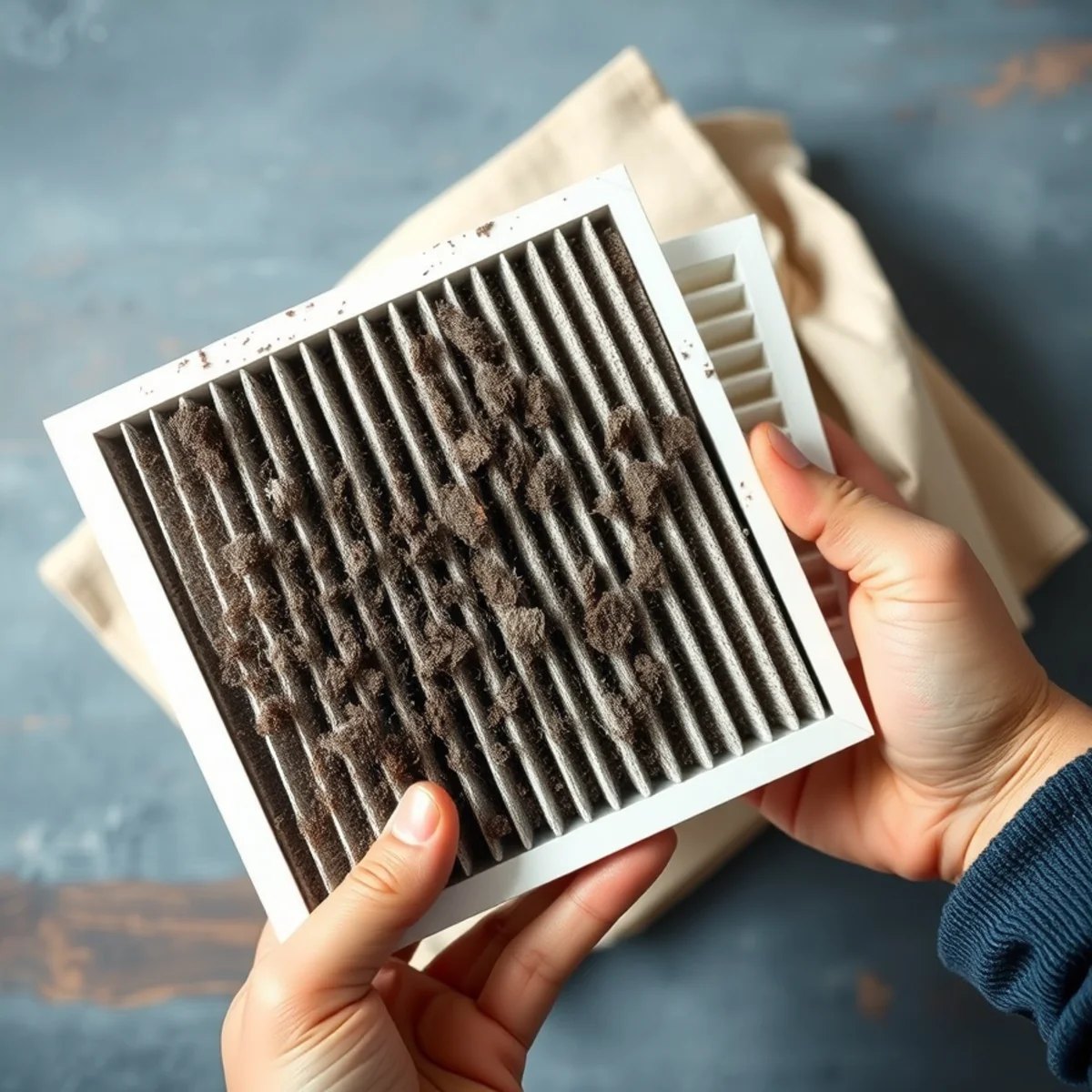
Even when an old system still runs, it may be costing you every month. Efficiency drops as equipment ages — worn parts, dirty coils, and aging refrigerant circuits all make the system work harder to deliver the same comfort. During our long cooling season, that shows up on your electric bill.
If your usage habits haven't changed but your summer bills keep creeping up, the system itself may be the reason. A newer, right-sized, higher-efficiency unit usually uses less energy than a tired older one. We're careful not to promise a specific dollar savings, because it depends on your home, your ductwork, and how poorly the old unit was actually performing — but a meaningful efficiency gap is a legitimate reason to consider replacing.
A word of caution: rising bills don't automatically mean "replace." Sometimes the culprit is a dirty filter, a low charge, or a failing part that a repair fixes for a fraction of the cost. That's exactly why a proper diagnosis comes first.
Comfort, humidity, and uneven temperatures
Comfort is the factor people underrate, and in Arkansas it matters more than most places. Our humidity is the reason. A system that's failing — or one that was oversized to begin with — can cool the air without pulling enough moisture out of it, leaving your home cold but clammy. Rooms that never get comfortable, a house that feels sticky even with the AC running, and temperatures that swing from room to room are all signs the system isn't keeping up.
Watch for these comfort red flags:
- Some rooms stay hot and humid no matter the thermostat setting.
- The air feels damp or sticky even when the temperature reads fine.
- The system runs constantly but never quite satisfies.
- Noticeable hot and cold spots around the home.
Sometimes these point to a repair or a ductwork issue. Sometimes they point to a system that's simply undersized, oversized, or worn out. Either way, comfort problems that maintenance and minor repairs can't solve are a strong nudge toward replacement. Folks throughout Glenwood and the surrounding Pike County area deal with this every summer, and the right fix depends on what's actually causing it.
Refrigerant type and parts availability
Two practical issues can quietly push the decision toward replacement, especially on older air conditioners and heat pumps.
The first is refrigerant. Older systems run on refrigerants that have been phased out and are now harder and more expensive to obtain. If one of those systems develops a leak, recharging it gets costly and only buys time. For an older, leaking unit on a phased-out refrigerant, replacement is often the more sensible long-term move.
The second is parts availability. As equipment ages out of production, replacement parts get scarcer and pricier. Waiting days for a hard-to-find component during a 95-degree stretch is its own kind of misery. When the parts to keep an old system alive are becoming a hunt, that's a real-world signal the system is near the end.
Neither of these means you must replace today — but they belong in the conversation, and we'll always tell you where your specific equipment stands.
Questions to ask before you decide
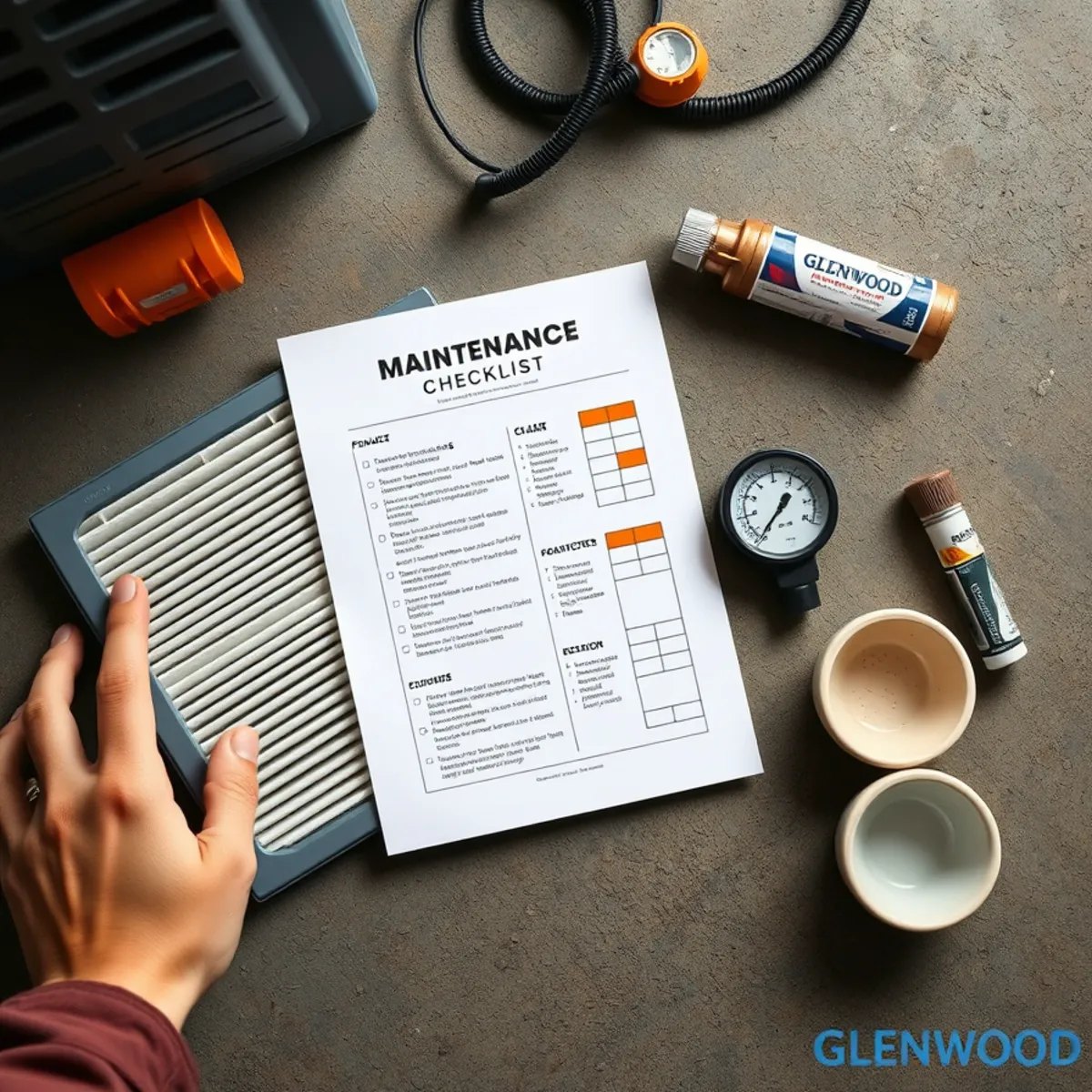
Before you commit either way, it helps to have a short checklist in hand. These are the questions we'd want answered, and the ones a trustworthy contractor should be glad to walk through with you:
- How old is the system, and where does that fall in its expected life?
- What exactly failed, and is it a one-off or part of a pattern?
- What does this repair cost compared to the value of the system it saves?
- How is the unit running on efficiency and comfort — not just "does it turn on"?
- What refrigerant does it use, and are parts still easy to get?
- If we replace, what would a right-sized system mean for comfort and bills over the next several years?
There's no shame in repairing a system to get a few more good years out of it, and there's no shame in replacing one that's clearly done. The wrong move is being rushed into either by someone who hasn't earned your trust. We'd rather take the time to lay out the trade-offs honestly and let you make the call. If you want us to take a look and walk you through your options with no pressure, reach out anytime.
The bottom line: repair when the system is young, the fix is reasonable, and it's been running well. Lean toward replacement when age, repair frequency, efficiency, comfort, or refrigerant and parts all start pointing the same direction — and especially when several of them line up at once.
Not sure which way to go? Call or text Brooks at (327) 210-5999 for an honest assessment of your system. Killian's Heat & Air is family-owned right here in Glenwood, Open 24 Hours with 24/7 emergency service, and we'll give you a fair, no-pressure read on whether to repair or replace. Request Service and we'll get you taken care of.
By the Killian's Heat & Air team
Reviewed by owner Brooks Killian, who has serviced and installed central heating and air across Glenwood and Pike County for 32+ years (Licensed AR HVAC #0852404). Meet the team.