Quick Answer
An AC that keeps turning on and off is short cycling, usually caused by a dirty filter, a frozen coil, low refrigerant, a misplaced or failing thermostat, or a system that's oversized for the home. It wears out the compressor and leaves the house humid, so it should be diagnosed rather than ignored.
In this article
If your air conditioner kicks on, runs for a minute or two, shuts off, then starts right back up again a few minutes later, that's a problem called short cycling. A healthy AC in a Glenwood summer should run in longer, steadier cycles, not rapid-fire bursts. Short cycling wears out expensive parts, drives up your power bill, and leaves your home feeling cool but clammy. The good news is that the cause is usually findable, and some of it you can check yourself. Here's what's going on and what to do about it.
What short cycling means
Short cycling is when your AC turns on and off more often than it should, with each run lasting only a few minutes. A normal cooling cycle on a hot, humid afternoon often runs somewhere in the range of ten to twenty minutes before the thermostat is satisfied and the system rests. When you're hearing the outdoor unit start and stop every few minutes, that's the system never settling into a real cycle.
It helps to know the difference between normal and short cycling:
- Normal: the system runs a solid stretch, satisfies the thermostat, shuts off, and stays off for a while before the next call for cooling.
- Short cycling: the system starts, runs briefly, stops, and restarts again quickly, over and over.
A couple of quick cycles right after you change the setpoint or on a mild day isn't unusual. A pattern of constant starting and stopping in the heat of the day is what we mean by short cycling, and it's worth paying attention to.
Why it's bad for your system and bills
The start-up moment is the hardest thing an AC does. When the compressor fires up, it draws a big surge of electricity and works against high internal pressure. Run a normal handful of cycles a day and that's no problem. Short cycle dozens of extra times an hour and you're piling on wear and burning energy with every restart.
Short cycling hurts you three ways:
- It wears out the compressor. The compressor is the heart and the most expensive part of your system. All those hard starts shorten its life.
- It wastes energy. Every start-up surge costs electricity, so your bill climbs even though your home isn't getting more comfortable.
- It leaves your home humid. This one matters a lot in our climate. An AC pulls moisture out of the air only after it's been running a while and the coil is cold and wet. Short cycles end before that happens, so the air gets chilled but stays sticky. With our high dew points and ~58 inches of rain a year, a system that won't dehumidify makes a home feel muggy even when the thermostat reads 72.
If your house feels cold and damp at the same time, short cycling is a prime suspect. The same goes for a power bill that jumped without a matching jump in how hot it's been outside.
Need a hand? If you're hearing it cycle every few minutes, you don't have to play detective. Call or text Brooks at (327) 210-5999 and his team can take a look. Killian's is open 24/7.
A dirty filter or restricted airflow
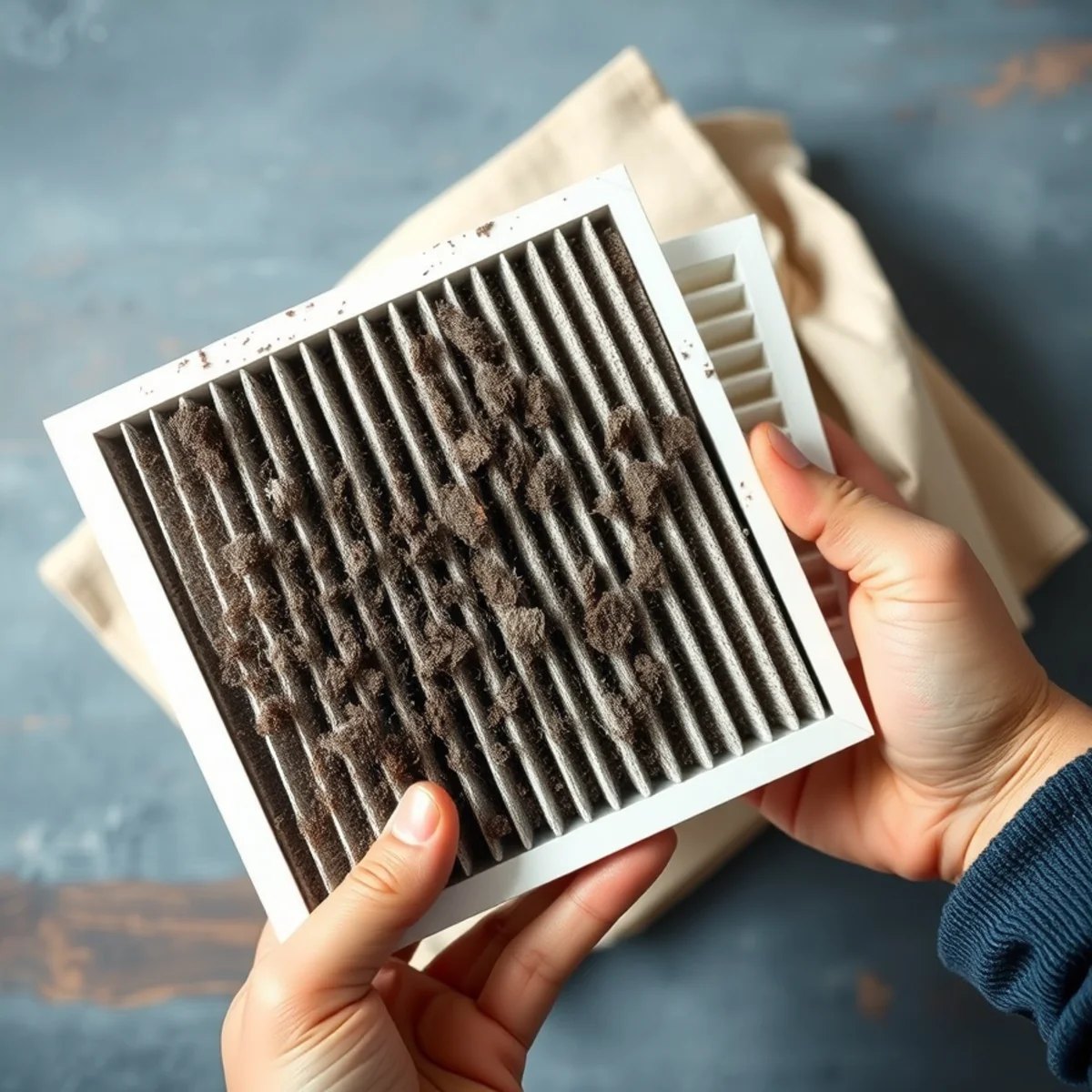
The most common and most fixable cause is poor airflow, and the usual culprit is a clogged air filter. When the filter is choked with dust and pollen, the system can't pull enough air across the indoor coil. That throws off temperatures and pressures inside the system, and a safety control shuts it down before it overheats, only for it to restart and trip again.
During our long tree-pollen season from mid-February through May, filters load up fast. So do filters in older lumber-mill-era frame homes with dusty crawlspaces. Start here:
- Pull your filter and hold it up to the light. If you can't see through it, replace it.
- Check that supply vents and return grilles aren't blocked by furniture, rugs, or closed doors.
- Make sure the outdoor unit isn't smothered by grass clippings, leaves, or overgrown shrubs.
A fresh filter is cheap and takes two minutes. It's always the right first move. If a new filter fixes the cycling, great. If the pattern comes back quickly, the airflow problem may be deeper, like a crushed duct or an undersized return, and that's worth a professional look.
A frozen evaporator coil
Restricted airflow leads straight into the next cause: a frozen evaporator coil. When too little warm air moves across that indoor coil, the moisture on it freezes into a block of ice. An iced coil can't absorb heat, so the system struggles, trips on its safeties, and cycles on and off.
Signs of a frozen coil include weak or warm airflow at the vents, water around the indoor unit when the ice melts, or visible frost on the copper lines at the outdoor unit. If you suspect a frozen coil, turn the system off and let it thaw completely before running it again. Running a frozen system risks pushing liquid refrigerant back to the compressor, which can ruin it. Once it's thawed, a clean filter sometimes solves it, but a coil that keeps freezing usually points to low refrigerant or a deeper airflow problem.
Low refrigerant
Refrigerant is the substance that actually moves heat out of your home, and it lives in a sealed loop. Your system should never "use it up." If the charge is low, there's a leak somewhere. Low refrigerant drops the pressure inside the system, which can trip a low-pressure safety switch that cuts the compressor off and on, showing up as short cycling. Low charge is also a leading cause of that frozen coil we just talked about.
A few things to know about refrigerant problems:
- Don't try to add refrigerant yourself. It's regulated work, and topping off a leaking system without fixing the leak just wastes money and can damage the compressor.
- The leak has to be found and repaired, not just refilled.
- Symptoms often include weak cooling, ice on the lines, and a hissing or bubbling sound near the unit.
Refrigerant work is a job for a technician with the right gauges and tools. Our AC repair service in Glenwood covers leak detection, proper charging, and the parts that go bad alongside it.
Thermostat location and problems
Sometimes the equipment is fine and the thermostat is telling it the wrong thing. A thermostat is just a switch that reads the room temperature and calls for cooling. If it reads the temperature wrong or loses its connection, it can switch the system on and off erratically.
Common thermostat causes of short cycling:
- Bad placement. A thermostat in direct sun, above a supply vent, near a lamp, or on a hot exterior wall gets a false reading. It senses a quick temperature change near itself and shuts the system off before the rest of the house is actually comfortable.
- Weak batteries or loose wiring. A dying battery or a corroded wire can make a thermostat drop and restore the cooling call.
- An old or failing thermostat. Older mechanical units and worn-out digital ones can simply misbehave.
If your thermostat sits somewhere it's getting a skewed reading, that alone can cause cycling. Relocating it or upgrading to a reliable digital thermostat often smooths things out.
An oversized system (a common Arkansas issue)
Here's the cause people rarely suspect: the AC is simply too big for the home. It seems backwards, but an oversized system is one of the most common reasons for short cycling, and we see it a lot around here.
An oversized unit blasts the air cold so fast that it satisfies the thermostat and shuts off in just a few minutes, long before it has run enough to pull humidity out of the air. Then the home warms back up quickly and it fires again. Cool, off, cool, off, all day long. In our humid subtropical summers, that's exactly how you end up with a home that's cold but clammy and a compressor that's working itself to death.
This usually traces back to the original install. A system sized by a rough rule of thumb, or simply matched to whatever the last unit was, often ends up too large. There's no filter or quick fix for an oversized system. The real answer is correct sizing through a proper load calculation, which is why right-sized beats biggest every time. If you're curious how that calculation works, our guide on what size HVAC system your home needs walks through it. Replacing a system in the Glenwood area is the right time to get sizing fixed.
When to call for a diagnosis
A lot of short cycling comes down to one of these causes, and a few you can rule out in minutes. Here's the honest dividing line:
Try this yourself first:
- Replace a dirty filter.
- Clear anything blocking vents, returns, and the outdoor unit.
- Check the thermostat batteries and that it isn't sitting in the sun or above a vent.
- If the coil is iced over, shut the system off and let it fully thaw.
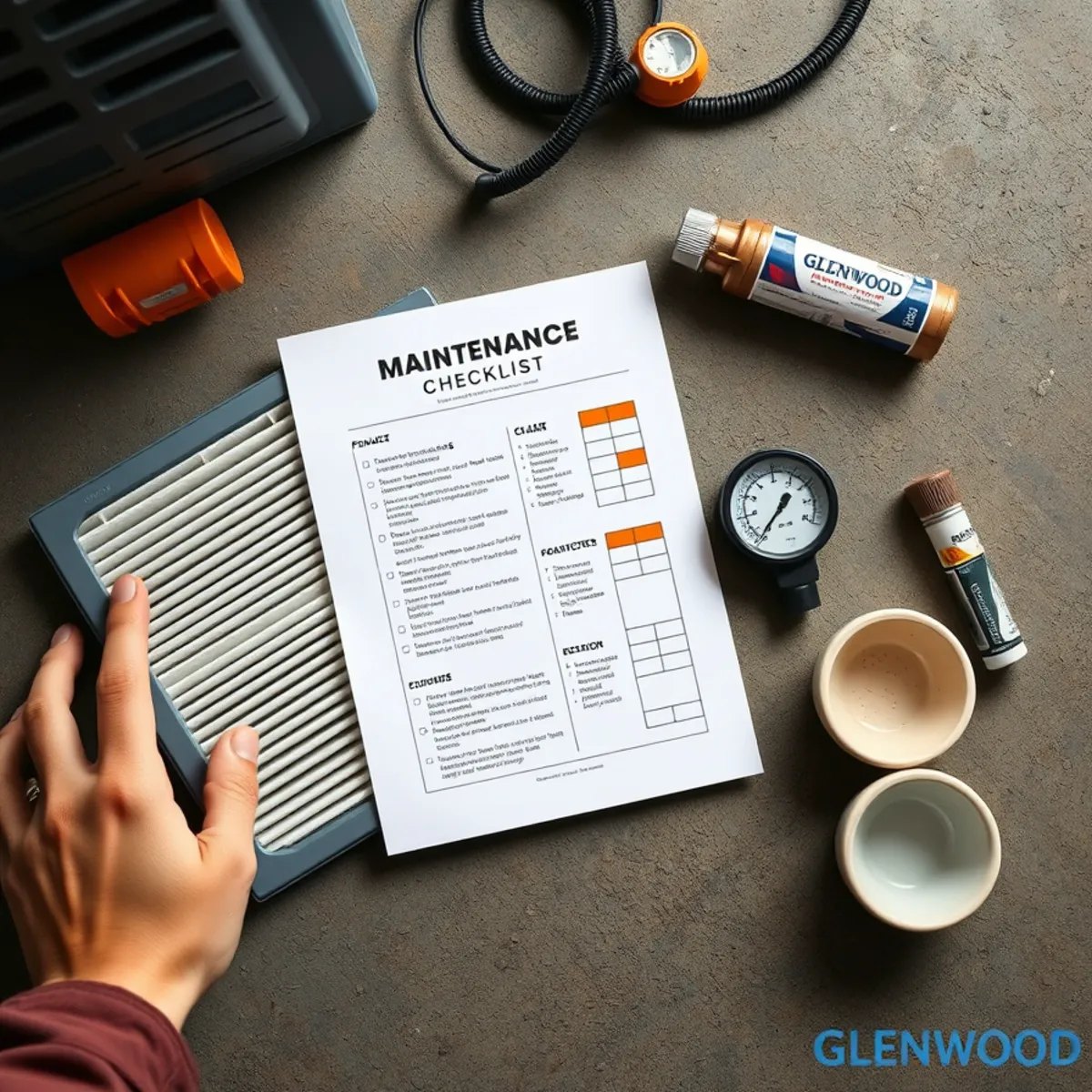
If the AC keeps cycling after that, the cause is almost always refrigerant, a failing control or capacitor, or a sizing problem, and those need a technician with gauges and meters. Short cycling is one of those things that quietly destroys a compressor, so it's not worth ignoring or guessing at for weeks. Staying current on a regular HVAC maintenance plan catches a lot of these issues, like a weak capacitor or a slow refrigerant leak, before they ever turn into hard-start cycling on a 95-degree afternoon. If you want a second opinion or a real diagnosis, reach out anytime.
Bottom line: an AC that won't stop cycling on and off is telling you something is wrong, whether it's a five-dollar filter or a sizing mistake from a decade ago. Catch it early and you protect the most expensive part of your system.
Hearing your AC cycle every few minutes? Don't let it grind down the compressor. Call or text Brooks and his team at (327) 210-5999 for a straight answer. We're Open 24 Hours with 24/7 emergency service across Glenwood and Pike County, or Request Service and we'll get you on the schedule.
By the Killian's Heat & Air team
Reviewed by owner Brooks Killian, who has serviced and installed central heating and air across Glenwood and Pike County for 32+ years (Licensed AR HVAC #0852404). Meet the team.