Quick Answer
Signs your furnace needs repair include weak or uneven heat, banging or squealing noises, short cycling, persistent burning or gas-like smells, a yellow burner flame instead of blue, and climbing bills with no change in use. Check the filter first, then have it inspected before the next cold snap forces the issue.
In this article
- Why a fall check matters in Arkansas
- Weak, uneven, or no heat
- Strange noises (banging, rattling, squealing)
- Short cycling — on and off too often
- Unusual smells and a note on safety
- Rising heating bills with no change in use
- Yellow burner flame and pilot/ignition trouble
- Don't ignore these before a cold snap
If your furnace is making a noise it didn't make last year, struggling to keep the house warm, or putting out a smell you can't place, those are the kinds of warning signs worth catching now — before a cold snap forces the issue. The short version: weak or uneven heat, strange noises, short cycling, odd smells, climbing bills, and a yellow burner flame are all reasons to have your furnace looked at before you're depending on it overnight. Here in the Glenwood area, the heat sits idle for weeks at a time, then gets asked to run hard the night the temperature drops into the low 30s. That's exactly when a small, ignorable problem turns into a no-heat call.
Below is a plain, pre-winter walkthrough of what to watch and listen for, and what each sign usually points to.
Why a fall check matters in Arkansas
Our winters are mild — and that's part of the trouble. A furnace in Pike County might barely run from spring through early fall, then sit untouched until the first real cold front pushes through. Dust settles on the burners and heat exchanger. A capacitor or igniter that was already weak last March doesn't get tested again until you need it most.
Then a cold snap arrives, often overnight, and your system goes from idle to running hard for hours straight. The first hard run of the season is when most furnace problems show up — and it's rarely on a convenient afternoon. A fall check, or at minimum a careful first start-up while you still have time, lets you find trouble before a freeze does.
This is just as true for the older lumber-mill-era frame homes around town with crawlspaces and aging ductwork as it is for the newer builds. Idle equipment plus a sudden heavy demand is a recipe for surprises.
Weak, uneven, or no heat
The most obvious sign is the one people often talk themselves out of: the heat just isn't what it used to be. Maybe one room stays chilly while another is fine. Maybe the air coming from the vents feels lukewarm instead of warm. Maybe the furnace runs and runs but never quite catches up.
Weak or uneven heat can come from several places:
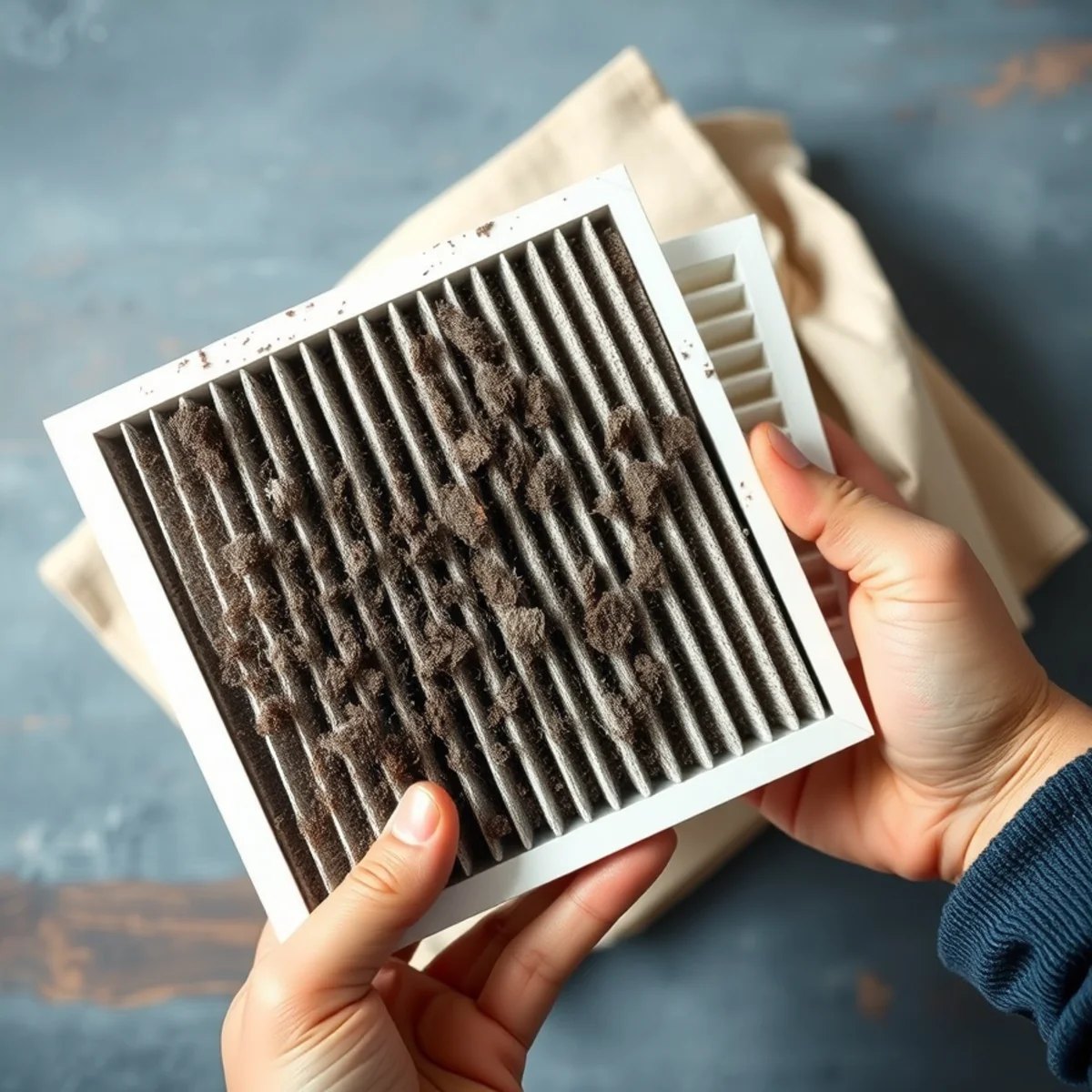
- A clogged air filter choking airflow across the heat exchanger
- Leaky or disconnected ductwork in the crawlspace or attic dumping warm air where you can't use it
- A failing blower motor that isn't moving enough air
- Burner or ignition problems that keep the furnace from making full heat
A dirty filter is something you can check and swap yourself, and you always should before anything else. If a fresh filter doesn't fix it, the cause is usually inside the system. Uneven temperatures across the house — especially in homes with additions or long duct runs — often trace back to ductwork that's leaking or undersized, which is worth a professional look. Our furnace repair service in Glenwood, AR starts with figuring out which of these is actually behind weak heat, rather than guessing.
Strange noises (banging, rattling, squealing)
A furnace makes some normal sounds — a soft whoosh of air, a gentle hum, a click when it kicks on. What you're listening for is anything new or loud:
- A bang or boom when it fires up can mean delayed ignition, where gas builds up a moment before lighting. That's worth addressing promptly.
- Rattling or vibrating often points to a loose panel, a failing motor mount, or debris, but can also signal something coming loose inside.
- Squealing or screeching usually means a blower belt or motor bearing is wearing out.
- Grinding is a sound you don't want to ignore — it can mean a motor bearing is failing outright.
The rule of thumb: if your furnace develops a noise you've never heard before, treat it as the system telling you something. Catching a worn blower bearing now is a planned repair on a mild day. Catching it after it seizes during a cold snap is a no-heat emergency.
Heard a new noise from the furnace? Get it checked before the cold hits. Call or text Brooks at (327) 210-5999 — Killian's is open 24 hours with 24/7 emergency service, and the owner is known for answering fast.
Short cycling — on and off too often
If your furnace starts up, runs for a short stretch, shuts off, then kicks back on again a few minutes later — over and over — that's called short cycling, and it's hard on the equipment.
A furnace is built to run in longer, steady cycles. Constant starting and stopping wastes energy, wears out parts faster, and usually means the house never gets evenly warm. Common causes include:
- A dirty air filter restricting airflow until a safety limit trips the burners off
- An overheating limit switch shutting the furnace down to protect the heat exchanger
- A thermostat problem or one located in a bad spot (near a vent or in direct sun)
- Airflow restrictions from blocked vents or duct issues
Start with the filter — it's the cheapest and most common fix. If a clean filter doesn't settle it down, short cycling needs a real diagnosis, because an overheating furnace tripping its limit switch repeatedly is something you want sorted before winter, not during it.
Unusual smells and a note on safety
Smell matters with furnaces, and it's worth knowing which smells are normal and which aren't.
The normal one: a brief, dusty, slightly burnt smell the very first time you run the heat each fall. That's dust burning off the heat exchanger after months of sitting, and it should fade within a cycle or two.
The ones to take seriously: a persistent burning smell, a hot electrical or plastic odor, or anything that smells like gas. A lingering electrical smell can mean an overheating motor or wiring. And a gas-like odor should never be brushed off.
A safety note worth repeating: if you ever smell gas or a working carbon monoxide alarm sounds, leave the house and call for help from outside. Don't flip switches, don't go hunting for the source — just get out and call. A working CO detector on each level of the home is cheap insurance, especially on any system that burns fuel. When in doubt, shut the furnace down and have it inspected.
Rising heating bills with no change in use
If your power or propane bill climbs noticeably and you haven't changed how you heat the house, the furnace may be working harder than it should to deliver the same warmth.
An aging or struggling system loses efficiency. A clogged filter, a dirty blower, worn parts, or leaky ducts all force the furnace to run longer to hit the same temperature — and a longer run time shows up on the bill. It's easy to write off a higher bill as just a cold month, but if your usage habits didn't change, the equipment is usually the reason. A tune-up that restores airflow and cleans up the system often pays part of itself back over the season. You can read more about how that works in our look at the ways regular HVAC maintenance saves money.
Yellow burner flame and pilot/ignition trouble
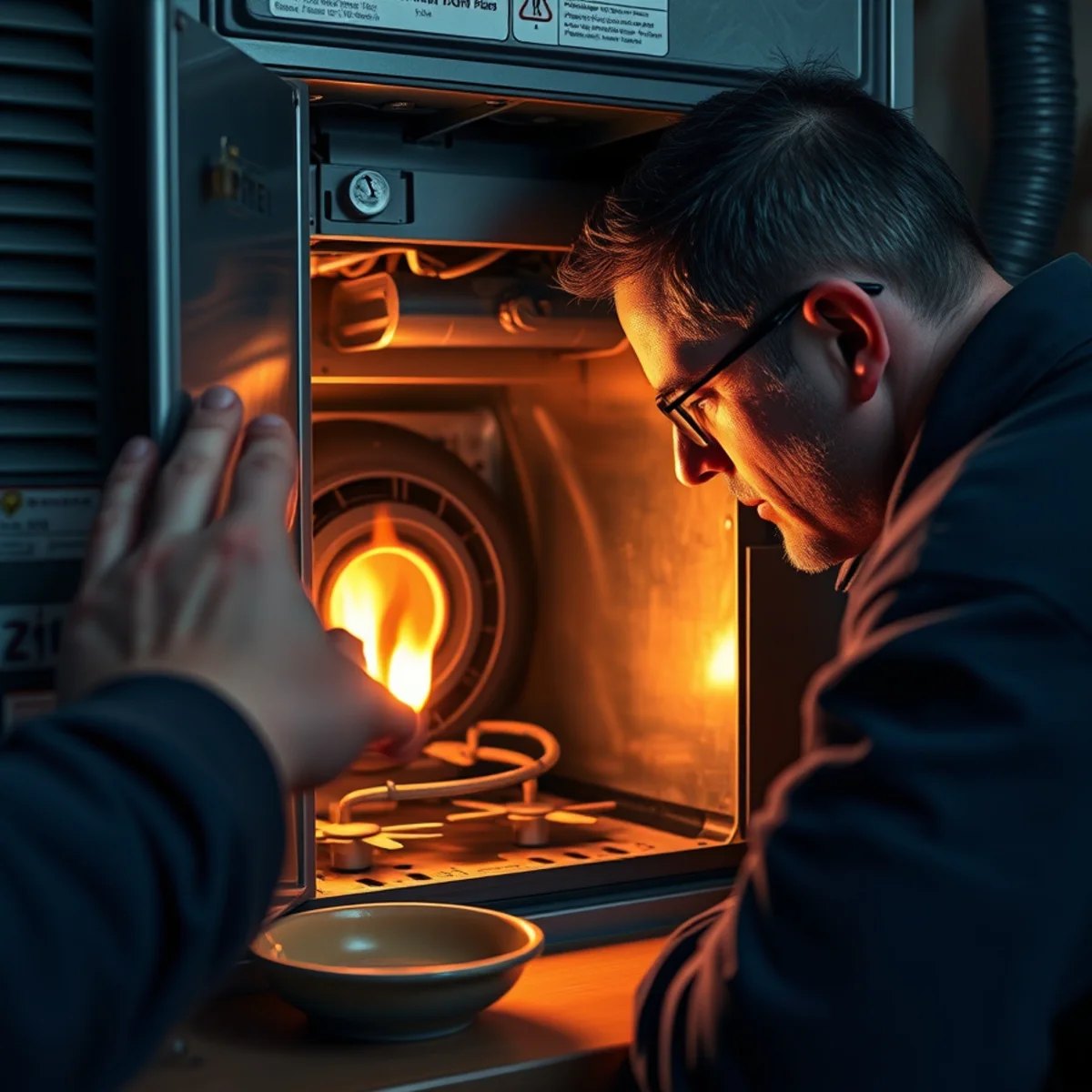
On a gas furnace, a healthy burner flame should be steady and blue. If you can see the burners and the flame is yellow, orange, or flickering, that's a sign the fuel isn't burning cleanly — which is both an efficiency problem and a safety one. A yellow flame can indicate incomplete combustion, and that's a reason to have it checked rather than keep running it.
Ignition trouble is another common pre-winter headache. On older furnaces with a standing pilot, a pilot that won't stay lit usually means a worn thermocouple or a draft issue. On newer systems with electronic ignition or a hot-surface igniter, a furnace that clicks but won't light — or lights inconsistently — often points to an igniter or flame-sensor problem. These are normal wear items, but they tend to fail exactly when the furnace is suddenly running every night.
If your flame looks wrong or the furnace is fighting to light, it's worth a professional look. Our heating repair team handles ignition, flame-sensor, and burner issues across the Glenwood area.
Don't ignore these before a cold snap
None of these signs mean disaster on their own. What they mean is that your furnace is asking for attention while it's still convenient to give it. The whole point of a pre-winter check is timing: it's far easier to handle a worn igniter, a noisy blower, or a short-cycling furnace on a 60-degree afternoon than at 2 a.m. when the temperature has dropped into the 30s and the house is getting cold.
A few takeaways to leave with:
- Change the filter first — it's behind a surprising number of these symptoms.
- Trust new noises and new smells — they're the system telling you something.
- Don't wait for it to fail. Most no-heat emergencies started as a warning sign somebody hoped would go away.
- A fall tune-up catches all of this at once, which is why it's worth scheduling before the first hard freeze.
If your furnace showed any of these signs last season — or it's been a while since anyone looked at it — a seasonal HVAC maintenance visit is the simplest way to head off a cold-snap breakdown. We work throughout Glenwood and the surrounding Pike County area, from in-town homes to cabins along the Caddo River and Lake Greeson.
Need your furnace checked before the cold sets in? Call or text Brooks at (327) 210-5999. Killian's Heat & Air is family-owned, Open 24 Hours with 24/7 emergency service, and serving the Glenwood area for more than 32 years (Arkansas License #0852404). Request Service anytime — we'll get your heat sorted before the next cold snap does it for you.
By the Killian's Heat & Air team
Reviewed by owner Brooks Killian, who has serviced and installed central heating and air across Glenwood and Pike County for 32+ years (Licensed AR HVAC #0852404). Meet the team.