Quick Answer
Regular HVAC maintenance saves money by keeping the system running efficiently, catching small problems before they become costly breakdowns, extending equipment life, and protecting warranties that often require documented service. The exact savings vary, but skipping tune-ups reliably costs more over time in Arkansas's demanding humid climate.
In this article
If you've ever put off a tune-up because the system "seems fine," you're not alone — and that's exactly where the money quietly leaks out. The short version: regular HVAC maintenance saves money because it keeps your system running efficiently, stops small problems from turning into expensive breakdowns, helps your equipment last longer, and protects the warranty you already paid for. None of that shows up on a single bill, which is why it's easy to skip. But here in Glenwood, where our systems work hard most of the year, the math is pretty clear over time.
Let's walk through how it actually works, in plain terms, so you can decide what's worth it for your home.
The four ways maintenance pays you back
Most of the savings from a tune-up fall into four buckets. Keep these in mind and the rest of this article will make sense:
- Efficiency. A clean, properly charged, well-tuned system uses less electricity to do the same job.
- Fewer breakdowns. Catching a weak part early is cheaper than an emergency call when it finally quits.
- Longer life. A system that isn't fighting dirt, low airflow, or worn parts simply lasts longer before you face a replacement.
- Warranty protection. Documented maintenance keeps your manufacturer's parts warranty valid when you need it.
You won't see a dramatic number on any one statement. Instead, maintenance shaves a little off your monthly bill, removes a big surprise repair every few years, and pushes the cost of a new system several years down the road. Added up, that's real money.
Keeping efficiency (and bills) in check
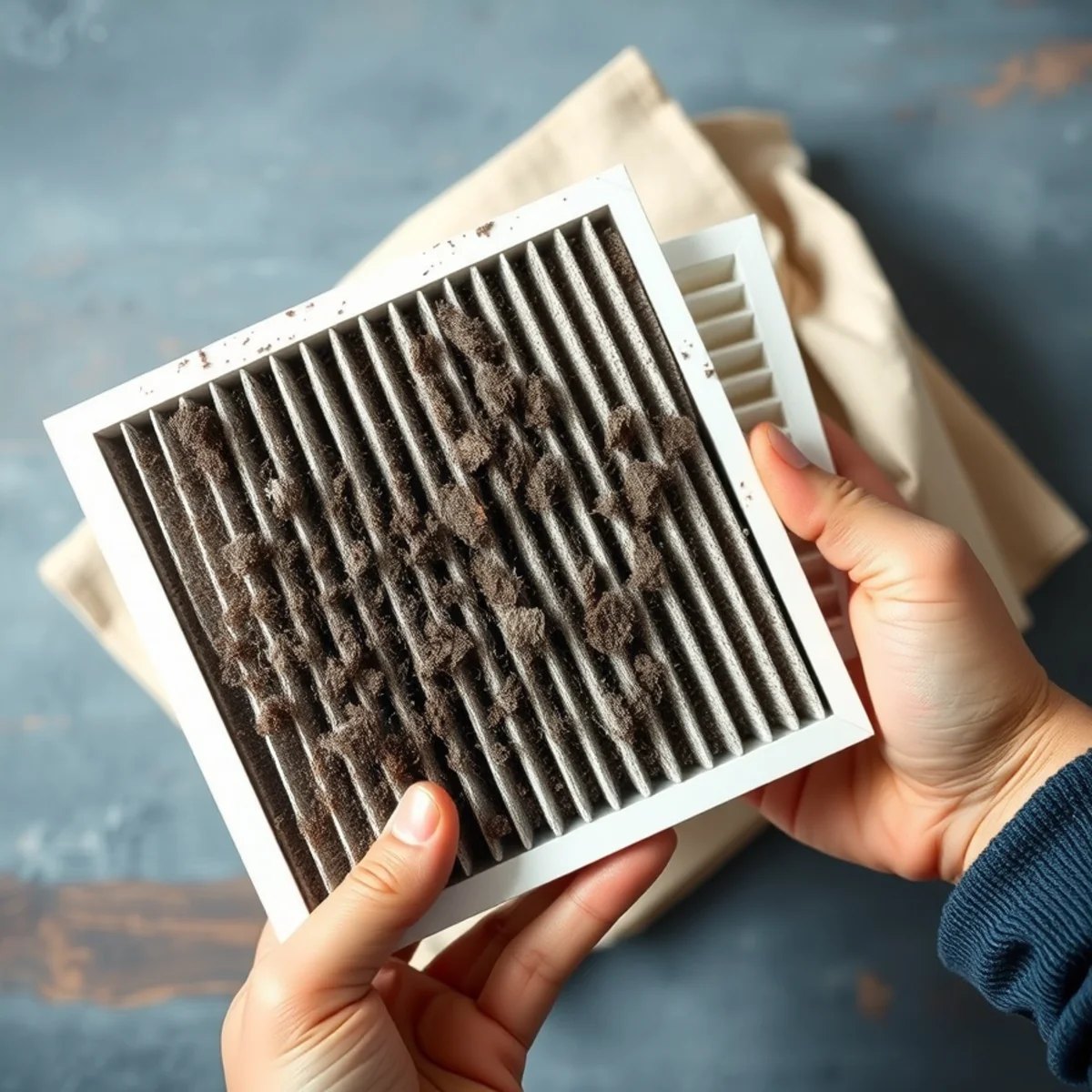
Your AC or heat pump loses efficiency gradually, and it does it so slowly you rarely notice. A condenser coil caked with cottonwood fluff and pollen can't shed heat well. A blower struggling against a dirty filter and dusty coil moves less air. Refrigerant that's drifted a little low makes the compressor work harder for less cooling. None of these will stop the system — they just make it run longer and harder to hit the same temperature, and you pay for every extra minute it runs.
In our climate that adds up fast. A Glenwood summer means the system runs many hours a day fighting low-90s heat and heavy humidity. A small efficiency loss that you'd barely notice up north gets multiplied across a long, brutal cooling season here.
A seasonal tune-up reverses most of that drift:
- Cleaning the outdoor coil so it can actually reject heat
- Checking refrigerant charge and airflow
- Tightening electrical connections that waste energy as heat
- Confirming the blower and motor are moving the right amount of air
Bottom line: a tuned system delivers the comfort you want with fewer runtime hours — and that's where the monthly savings come from. If you want to pair maintenance with smarter day-to-day habits, our team can walk you through that during a visit, or you can book a seasonal HVAC maintenance visit in Glenwood and let us handle the deep-clean side of things.
Catching small problems before they become emergencies
This is the bucket that saves the most money, and it's the easiest to underestimate. HVAC parts rarely announce themselves before they fail. A capacitor weakens for months and then dies on the hottest afternoon of the year. A condensate drain line slowly clogs with the algae our humidity loves — until it backs up, trips the safety switch, and shuts your AC down (or worse, overflows). Refrigerant leaks out slowly until the coil freezes.
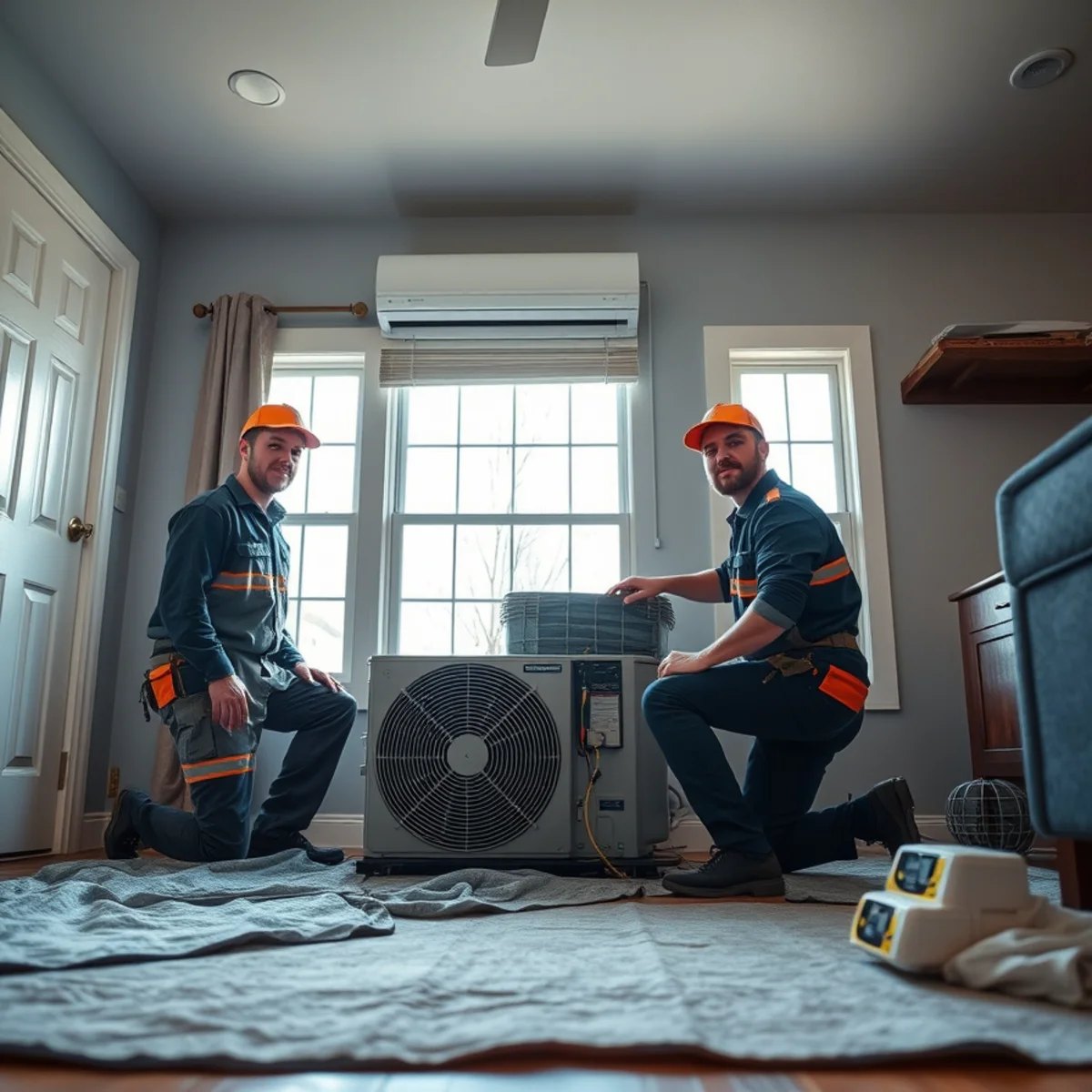
A technician catches those things on a calm, mild day, when they're cheap to fix and you're not sweating in a 90-degree house. Here's the difference in practice:
- A weak capacitor found in spring is a quick, planned swap. The same capacitor failing in July is an emergency call during peak demand.
- A clogging drain line flushed during a tune-up is routine. A drain that backs up and floods is water damage plus a repair.
- Low refrigerant caught early means finding and fixing a small leak. Ignored, it can cost you a frozen coil, a strained compressor, and a much bigger bill.
That's the whole game: maintenance trades a small, scheduled cost for the avoidance of a big, unscheduled one. When something does slip through, it's usually a smaller AC or HVAC repair instead of a system-down emergency.
Want to get on a maintenance schedule? Ask us about a plan. Call or text Brooks at (327) 210-5999 — Killian's is family-owned, local to Glenwood and the Caddo River area, and open 24/7.
Extending the life of your system
Every component in your HVAC system has a finite number of running hours in it. Dirt, restricted airflow, low refrigerant, and worn parts all make the rest of the system work harder — and harder work means faster wear.
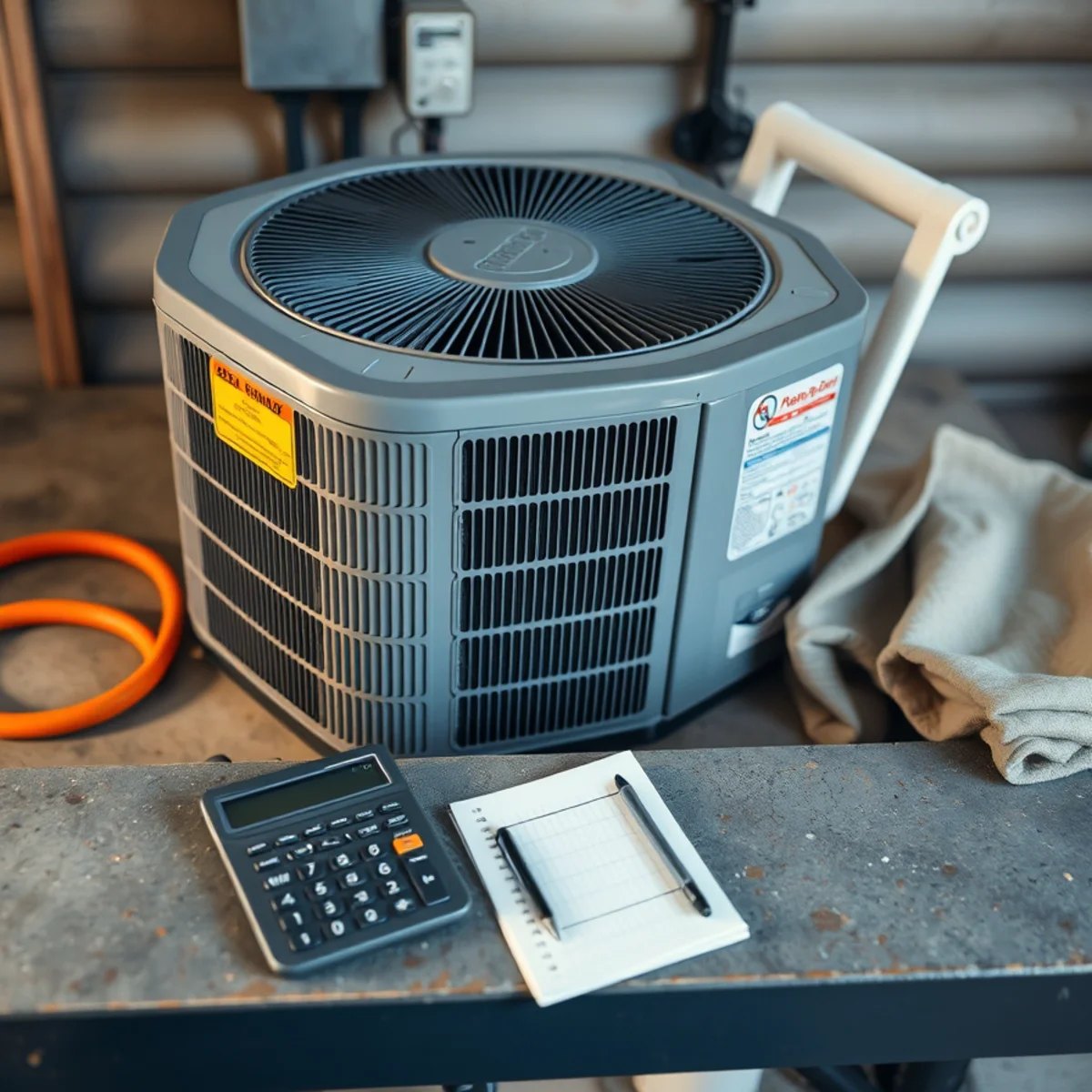
Think about the compressor, the most expensive part in your outdoor unit. When it's fighting a dirty coil or low charge, it runs hotter and longer than it should. Do that for a few summers and you've shortened its life. The blower motor straining against a clogged filter wears its bearings faster. Short-cycling from a small, unaddressed fault hammers the equipment with extra starts and stops.
Maintenance keeps all of that in check, so your system reaches — or even passes — the upper end of its expected life. A few hundred dollars of tune-ups across the years is cheap insurance against a multi-thousand-dollar replacement arriving early. When a new system finally is the smart call, you'll have time to plan for it instead of being forced into it on the worst week of the year.
Protecting manufacturer warranties
This one surprises a lot of homeowners. That nice 10-year parts warranty that came with your system usually has fine print: it often requires proof of regular professional maintenance. Skip the tune-ups, and the manufacturer can deny a major claim — which means you could be paying out of pocket for a part that "should" have been covered.
A documented maintenance history is your evidence. When we service your system, you've got a record showing the equipment was cared for the way the manufacturer requires. If a covered part ever fails, that paperwork is what keeps the warranty on your side instead of the manufacturer's.
It's worth checking your own warranty terms, but the safe move is simple: keep your seasonal visits on the calendar and hang onto the records.
The hidden cost of our humidity and pollen
Here's where Glenwood is genuinely different from the textbook. Our humid-subtropical climate piles on two stresses that drain money if you ignore them.
Humidity and condensate. We see heavy moisture loads and roughly 58 inches of rain a year. Your AC pulls gallons of water out of the air on a humid day, and all of it runs through the condensate drain. Combine that with our warmth and you get the perfect conditions for drain lines to grow algae and clog. A clogged drain is one of the most common no-cool calls we run, and it's almost entirely preventable with regular flushing. Damp crawlspaces under our older lumber-mill-era frame homes add their own moisture and rust stress to ductwork and equipment.
Pollen. Our tree-pollen season runs from mid-February through May, and it loads up filters and coils fast — far faster than the package "90-day" filter suggests. A pollen-choked filter chokes airflow, drives up your bill, and can freeze a coil. A dirty outdoor coil packed with pollen and seed fluff can't shed heat.
Both of these are cheap to manage on a schedule and expensive to ignore. Maintenance in our area isn't a luxury add-on — it's the thing that keeps our specific climate from quietly running up your bills.
What a maintenance plan typically includes
You don't have to remember to call twice a year — that's what a plan is for. A maintenance agreement bundles your two seasonal visits (cooling in spring, heating in fall) and keeps you on schedule so nothing slips. A typical visit covers the work that actually drives the savings above:
- Inspecting and cleaning coils
- Checking refrigerant charge and system pressures
- Flushing and treating the condensate drain line
- Testing capacitors, contactors, and electrical connections
- Checking airflow and the blower motor
- Replacing or checking the filter
- Confirming safety controls and the thermostat work
- A heating-side check before the first cold snap
Many plans also include priority service when you do need a repair, which matters most in the dead of summer or a cold snap when everyone is calling at once. We'll explain exactly what ours covers with no pressure and no upsell — that's just how Brooks runs things.
The takeaway: maintenance isn't an expense you tack on. It's the cheapest, most predictable way to lower your bills, dodge emergency repairs, stretch your system's life, and keep your warranty intact — especially in a climate as demanding as ours.
Ready to stop paying for skipped tune-ups? Call or text Brooks Killian at (327) 210-5999 to get on a maintenance schedule. We're Open 24 Hours with 24/7 emergency service, family-owned right here in Glenwood, and licensed in Arkansas (License #0852404). Request Service and we'll take it from there.
By the Killian's Heat & Air team
Reviewed by owner Brooks Killian, who has serviced and installed central heating and air across Glenwood and Pike County for 32+ years (Licensed AR HVAC #0852404). Meet the team.