
Quick Answer
Service your HVAC system twice a year, once in spring before cooling season and once in fall before heating season. Two visits keep both sides of the system covered, which matters most in Glenwood's humid summers and for heat pumps that run nearly year-round. One visit a year leaves half the system unchecked.
In this article
Here's the straight answer: service your HVAC system twice a year — once in spring before the cooling season, once in fall before the heating season. That's the schedule we recommend for nearly every home around Glenwood, and there's a good reason it's two visits and not one. Our corner of Pike County puts a heavier load on heating and cooling equipment than a lot of folks realize, and a system that only gets looked at once a year tends to spend half the calendar without anyone checking the side that's working hardest.
Below, we'll walk through why twice a year is the right rhythm here, what actually happens during each visit, what you can handle yourself in between, and the warning signs that mean you shouldn't wait for your next scheduled tune-up.
The short answer: twice a year
For most homes, the schedule looks like this:
- Spring cooling tune-up — before the low-to-mid 90s heat settles in, so your air conditioner or heat pump is ready for its hardest months.
- Fall heating tune-up — before the first cold snap, so your furnace or heat pump's heating side is checked after sitting mostly idle.
If you only do one visit a year, you're gambling that the un-serviced season won't be the one that fails. Around here, where heat pumps run nearly year-round and summer humidity is brutal, that's a gamble we don't recommend. Two visits keep both halves of your system honest.
The other reason for twice a year is timing. Booking your spring visit in March or April — and your fall visit in September or October — means you're ahead of the rush. When the first 95-degree afternoon hits and everyone's AC quits at once, the homeowners who tuned up in spring are the ones sitting comfortable.
Why Glenwood's climate is harder on HVAC systems
People moving down from up north are often surprised at how hard their systems run here. It comes down to a few local realities:
- Long, humid summers. Our highs sit in the low-to-mid 90s for months, but it's the dew point that does the damage. Your AC isn't just cooling air — it's wringing gallons of moisture out of it. That heavy condensate load means drain lines clog, pans overflow, and float switches trip far more often than in a dry climate.
- A wet, wet region. Roughly 58 inches of rain a year keeps crawlspaces and ductwork damp. In the older lumber-mill-era frame homes around Glenwood, that moisture finds its way into duct runs and around air handlers, encouraging corrosion and mold if airflow isn't right.
- A long pollen season. From mid-February through May, oak, hickory, and cedar pollen coats everything — including your outdoor coil and your filters. A clogged coil makes the whole system work harder and run hotter.
- Mild winters with sharp cold snaps. Most of winter is gentle, with lows dipping into the low 30s and the occasional ice or snow. That means a furnace or heat pump can sit unused for weeks, then get asked to run hard overnight. Equipment that sits idle and then runs flat-out is exactly the kind that fails at the worst moment.
Add it up and you've got systems that run more hours, under more strain, in wetter and dirtier conditions than the national average. That's why the maintenance interval that's "fine" elsewhere isn't quite enough here. For more on the local picture, see our Glenwood service area page.
Not sure when your system was last serviced? Call or text Brooks at (327) 210-5999 — Killian's is open 24/7, and we're happy to get you on a sensible schedule.
Spring cooling tune-up: what we check
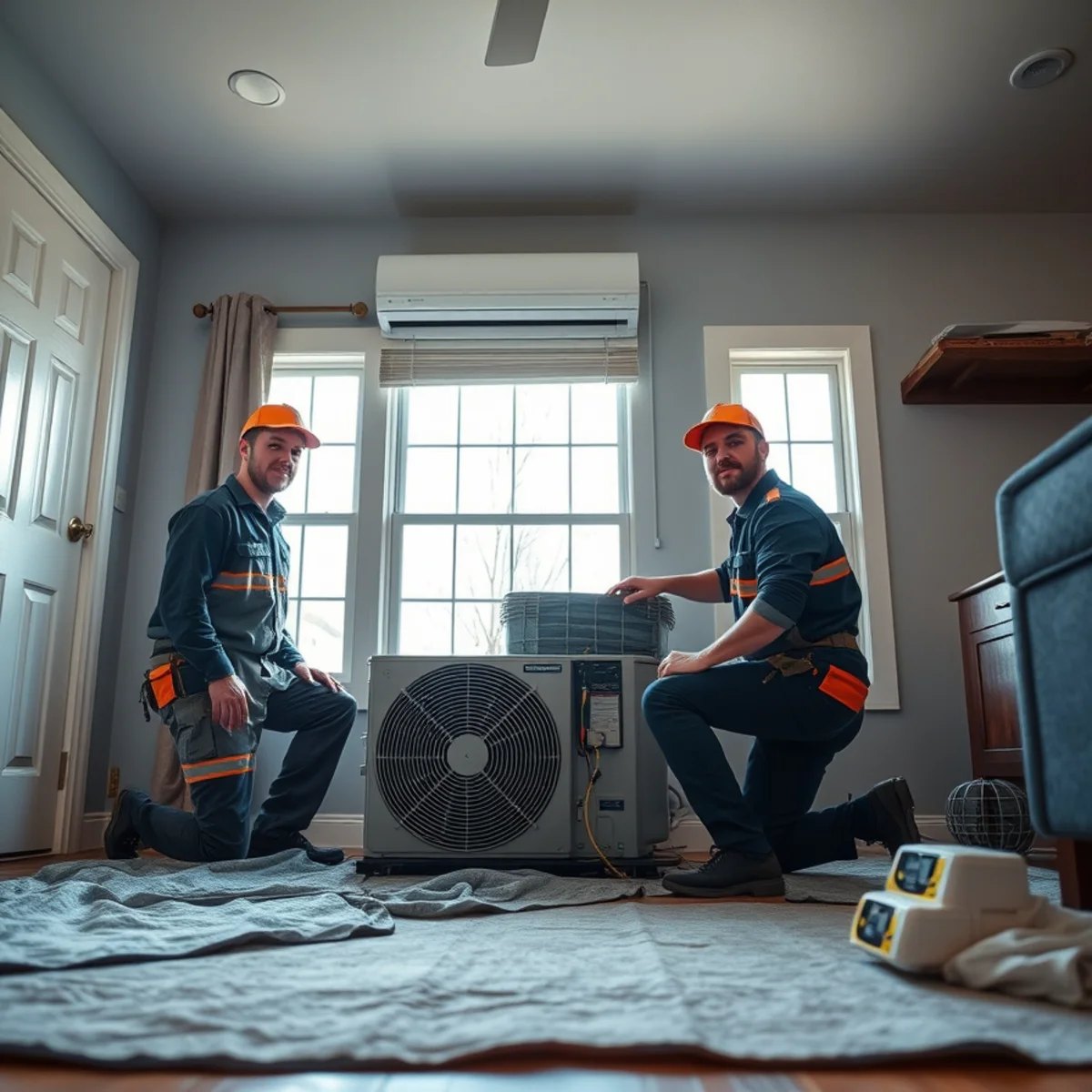
The spring visit is all about getting your cooling side ready for the months it earns its keep. During a professional HVAC maintenance visit, Brooks and his team typically go through:
- Refrigerant charge — checking pressures to make sure the system isn't low, which would point to a leak and rob you of cooling capacity.
- The outdoor condenser coil — cleaning off the winter's worth of pollen, grass clippings, and debris so the unit can shed heat properly.
- The evaporator coil and drain line — clearing the condensate drain and testing the float switch, which matters enormously in our humidity.
- The capacitor and electrical connections — a weak capacitor is one of the most common no-cool failures, and it's cheap to catch early.
- Blower motor and airflow — making sure air is actually moving the way it should across the coil.
- Thermostat operation — confirming it's reading and calling correctly.
The goal is simple: catch the small stuff on a mild April day instead of during a 95-degree emergency in July.
Fall heating tune-up: what we check
The fall visit shifts focus to the heating side, which has usually been sitting quiet all summer. Whether you've got a furnace, a heat pump, or a dual-fuel setup, the tune-up covers the parts that matter when that first hard freeze rolls through:
- Ignition and burners (for furnaces) — checking flame quality and safe, clean combustion.
- The heat exchanger — inspecting for cracks or damage, a genuine safety item.
- Heat pump reversing valve and defrost cycle — making sure the system switches to heating mode and defrosts properly on cold, damp mornings.
- Auxiliary and emergency heat — confirming the backup heat works before you need it.
- Filters, airflow, and the blower — the same airflow checks matter in heating as in cooling.
- Safety controls and thermostat — limit switches, sensors, and proper cycling.
Because our furnaces and heat pumps spend most of the winter idle and then run hard during short cold spells, a fall check is what stands between you and a no-heat night. If your system is showing any trouble going into winter, our HVAC repair team can sort it out before the cold sets in.
What you can do yourself between visits
You don't need tools or training to handle the basics, and the basics genuinely matter. Between your two professional visits:
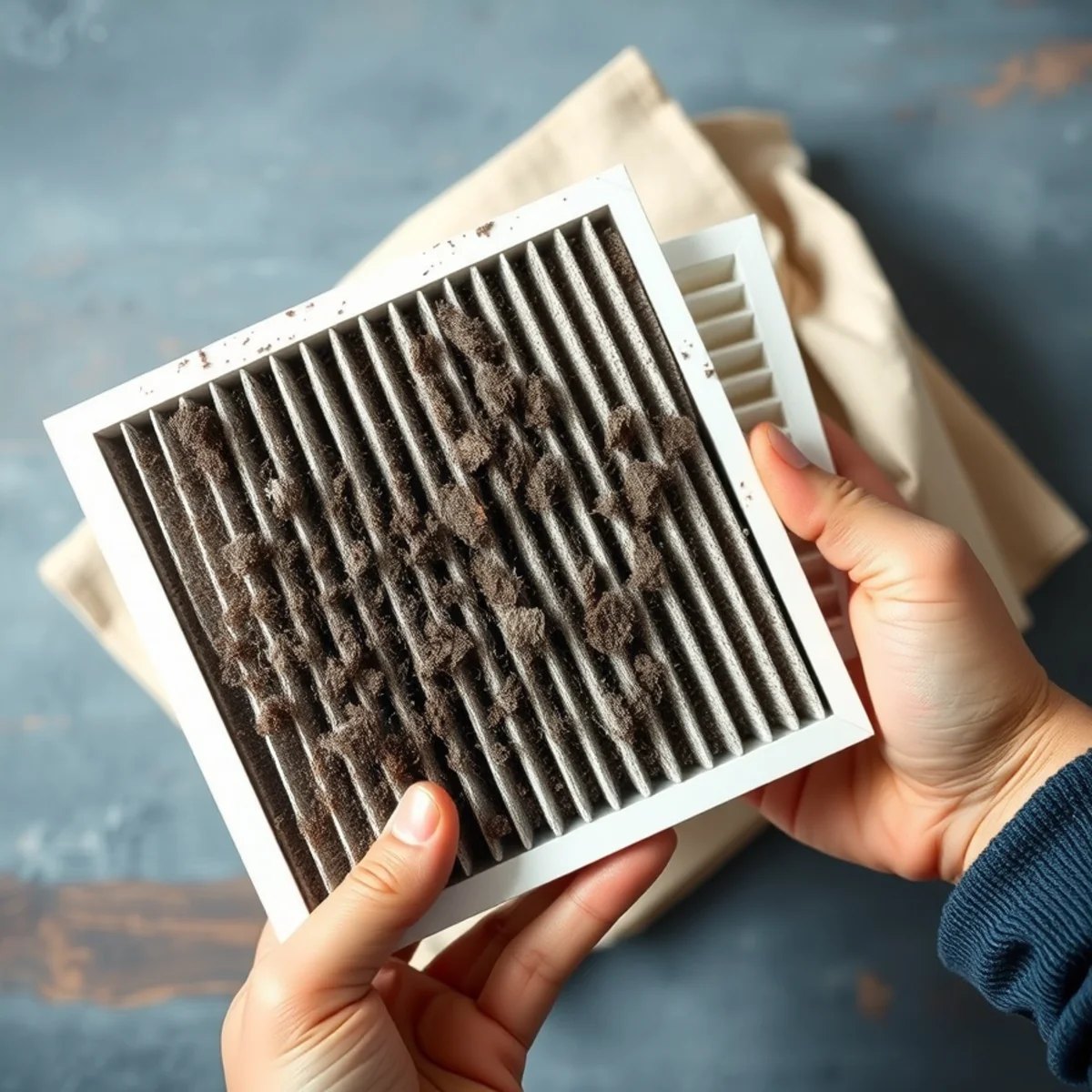
- Change or clean your air filter regularly — every one to three months for most homes, more often during pollen season or if you have pets. A clogged filter is the single most common cause of poor airflow, frozen coils, and higher bills.
- Keep the outdoor unit clear — pull weeds, trim back shrubs, and keep at least a couple of feet of breathing room around the condenser. After a storm, clear off leaves and limbs.
- Glance at the condensate drain — if you see water pooling near the indoor unit, that's a clogging drain line, which is common in our humidity. Don't ignore it.
- Listen and notice — new rattles, weak airflow, odd smells, or a system that runs constantly are all worth a phone call.
These habits won't replace a professional tune-up, but they protect the work we do and keep your system healthier between visits.
Signs you shouldn't wait for the next scheduled visit
Maintenance is preventive, but some symptoms mean it's time to call now rather than wait for spring or fall:
- Warm air from the vents when the AC is running, or weak heat in winter.
- A frozen evaporator coil or ice on the outdoor unit — shut the system off and call.
- Short cycling — the system turning on and off every few minutes.
- Water pooling around the indoor unit or a tripped safety switch.
- Burning, musty, or electrical smells, or new banging and grinding noises.
- A sudden jump in your power bill with no change in how you're using the system.
If your system stops cooling or heating entirely, you don't have to wait for business hours. Killian's answers calls around the clock, and Brooks is known for responding fast by call or text — day or night, weekend or holiday.
Maintenance plans and what they cover
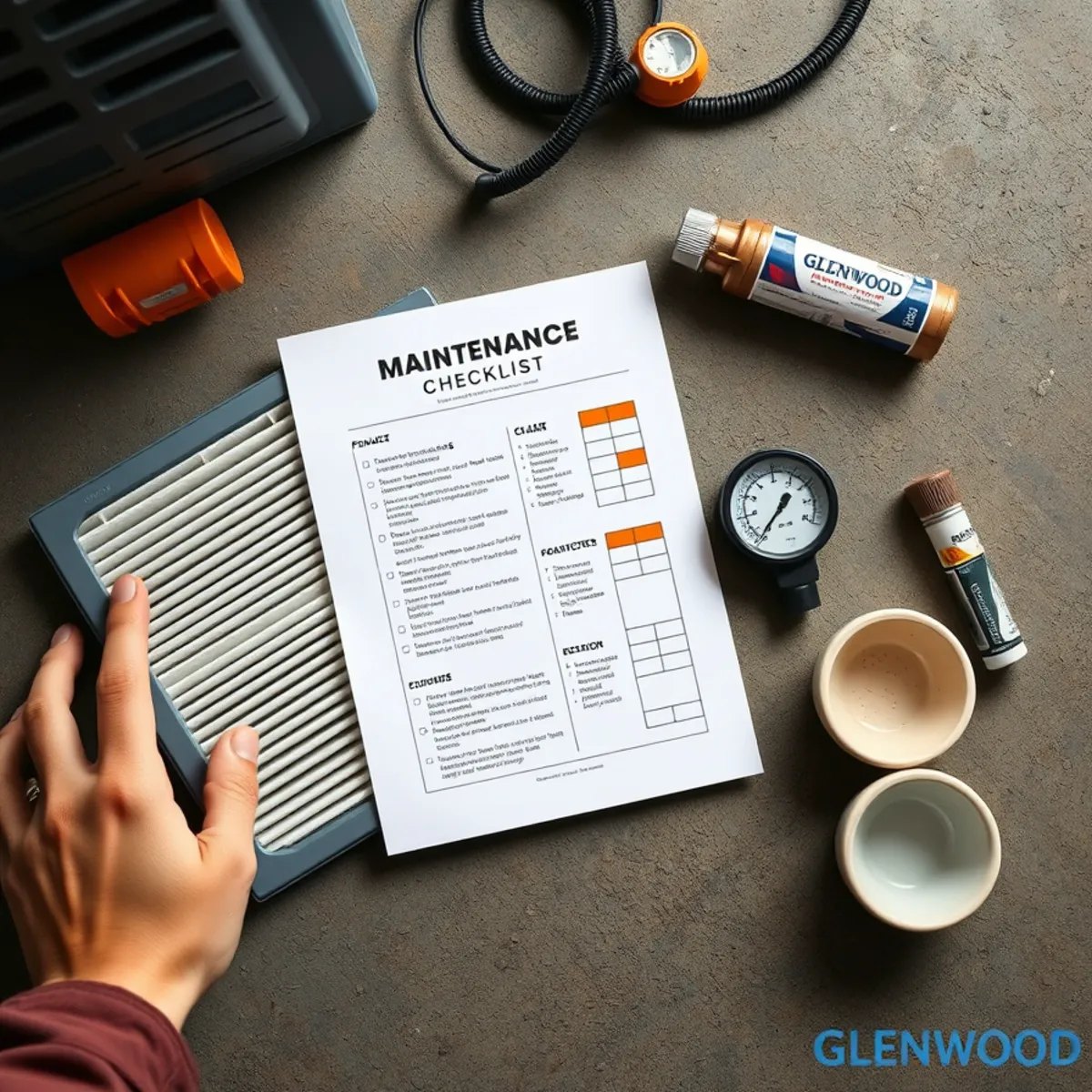
The simplest way to stay on a twice-a-year rhythm is a maintenance plan. Rather than trying to remember to book each season, a plan bundles your spring and fall visits and keeps you on schedule automatically.
A typical plan includes:
- Two seasonal tune-ups — the spring cooling visit and the fall heating visit described above.
- Priority scheduling — plan members generally get bumped toward the front of the line during the busy season.
- A documented service record — which matters because many manufacturer warranties require proof of routine maintenance to honor a claim.
We'll walk you through exactly what our plan covers with no pressure and no upsell — that's just how Brooks has run this business for more than three decades. Whether you sign up for a plan or simply book two visits a year on your own, the important thing is the rhythm: spring for cooling, fall for heating, every year.
Staying ahead of problems is almost always cheaper, calmer, and more comfortable than waiting for something to break in the middle of an Arkansas July or a January cold snap.
Ready to get on a schedule? Call or text (327) 210-5999 — Killian's Heat & Air is Open 24 Hours with 24/7 emergency service for Glenwood and the surrounding Pike County area. You can also Request Service and we'll get you booked for your next tune-up. Family-owned, more than 32 years in the community, Arkansas License #0852404.
By the Killian's Heat & Air team
Reviewed by owner Brooks Killian, who has serviced and installed central heating and air across Glenwood and Pike County for 32+ years (Licensed AR HVAC #0852404). Meet the team.